Navigating India's Digital Payment Landscape Safely
The rapid adoption of digital payments has fundamentally reshaped how Indians manage their finances. From purchasing morning chai to paying monthly utility bills, the convenience of transferring money with just a few smartphone taps has become an integral part of daily life. However, as our economy becomes increasingly digital-first, the associated security risks have evolved in complexity and scale.
The transition to mobile-first banking means our smartphones now serve as our primary financial instruments. While technology developers continuously work to build robust security systems, human behavior remains the most common vulnerability point. Cybercriminals frequently exploit moments of distraction or gaps in awareness to compromise sensitive financial information.
Selecting and Maintaining Secure UPI Applications
Your journey toward financial security begins with choosing the right digital platform. Not all UPI applications offer identical security standards. When evaluating options, prioritize those featuring multi-layered authentication systems that require more than just basic passwords to access your funds.

A trustworthy UPI application typically uses your registered mobile number as a primary identifier, creating a crucial link between your physical device and bank account. This connection adds an important layer of physical security, as attempts to access your account from unfamiliar devices should trigger additional verification requirements or outright blocking.
Always download financial applications exclusively from official app stores rather than third-party websites. Beyond initial setup, maintain regular update practices. Developers frequently release security patches addressing vulnerabilities identified by researchers. Using outdated application versions potentially leaves security gaps that cybercriminals can exploit. Enabling automatic updates provides continuous protection without requiring manual intervention.
Identifying and Avoiding Common UPI Scams
One prevalent fraud tactic targets the 'request money' feature available in most UPI applications. Scammers often send payment requests disguised as prize notifications or legitimate transactions. The fraudulent notification typically instructs recipients to enter their PIN to 'receive' funds, creating a fundamental misunderstanding of how UPI systems operate.
Remember this crucial rule: you never need to enter your PIN to receive money into your account. Entering your security code in response to any request will always result in funds being deducted from your balance. If you encounter a PIN request while expecting payment, immediately decline the transaction and report the user within the application. Understanding this single principle can protect you from the most widespread form of digital payment fraud in India.
Managing Device Permissions and Security Settings
When installing new applications, critically evaluate permission requests. While legitimate UPI apps require SMS access for identity verification, unrelated applications requesting similar permissions should raise immediate concerns. Regularly review your device's permission settings, particularly noting if simple utilities like games or photo editors request access to sensitive data.
Malicious applications sometimes intercept one-time passwords sent by banking institutions, enabling unauthorized transactions. Additionally, secure your device itself with strong passwords or biometric authentication. If your smartphone lacks proper screen locking and becomes lost or stolen, anyone finding it could potentially access your financial applications.
Most modern smartphones include remote data wiping capabilities for stolen devices. Familiarize yourself with these features before emergencies arise, ensuring you can protect sensitive information even when physically separated from your device.
Navigating Network Security Challenges
The convenience of free public Wi-Fi at cafes, airports, or shopping centers often tempts users to check bank balances or make payments. However, these networks frequently lack proper security measures, potentially allowing cybercriminals to monitor transmitted data using various interception techniques.

For financial transactions, mobile data networks generally provide superior security compared to public Wi-Fi. When public networks are unavoidable, consider using reputable virtual private network services to encrypt your connection, ensuring intercepted data remains unreadable. Even within home environments, password-protect your Wi-Fi network and change default router passwords to prevent unauthorized local network access.
Verifying Transaction Details Diligently
In daily life's rush, simple typographical errors can have significant financial consequences. When sending money via UPI applications, a single incorrect digit might direct funds to unintended recipients. Although many applications display recipient names before confirmation, always double-check this information carefully.
For substantial transfers to new contacts, consider sending a small test amount first. After recipient confirmation, proceed with the remaining transfer. This additional verification step provides valuable peace of mind while preventing potentially costly mistakes.
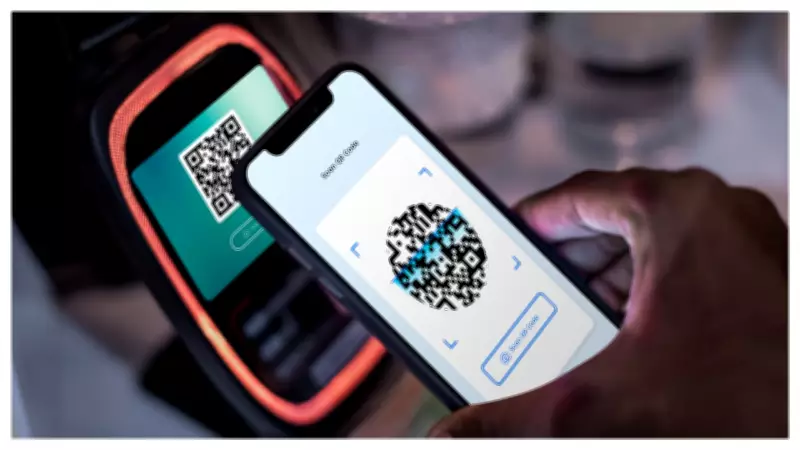
Exercise particular caution with QR code payments. Scammers occasionally overlay fraudulent QR codes on legitimate ones at retail establishments. Before scanning, inspect for tampering signs. After scanning, verify that the displayed merchant name matches the actual business. Discrepancies should immediately halt the transaction.
Cultivating Ongoing Security Awareness
Reducing digital payment risks represents an evolving process rather than a one-time accomplishment. As technology advances, so do exploitation methods employed by cybercriminals. Maintaining curiosity and caution helps protect both personal and family finances from emerging threats.
Share security knowledge with others, particularly those less familiar with digital technologies. Assisting friends with secure UPI setup or explaining PIN protection principles can prevent financial losses within your community. A collectively informed user base creates more challenging targets for scammers.
Ultimately, proper security measures enable confident use of India's digital payment tools. When appropriate protections are consistently implemented, users can fully enjoy modern payment conveniences without accompanying stress. Developing safety-conscious habits delivers daily benefits throughout your financial journey.