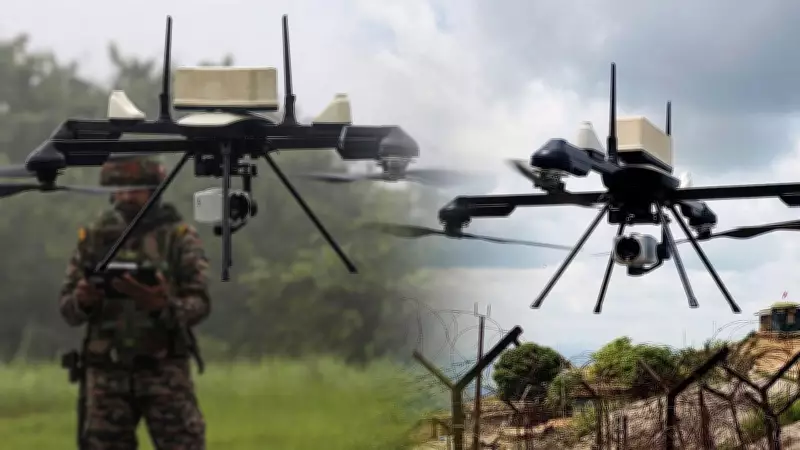
India Launches Secure-By-Design Framework to Protect Military Drones from Cyber Threats
In a significant move to bolster national security, India's Ministry of Defence has unveiled a comprehensive "secure-by-design" framework specifically tailored for the unmanned systems utilized across its armed forces. This initiative comes as the country's reliance on drones expands rapidly, with these platforms becoming integral to operations ranging from infantry support to artillery and armored units. The framework underscores a critical shift in military doctrine, recognizing that drones are not merely aerial vehicles but complex information systems susceptible to sophisticated cyber and electronic warfare attacks.
Addressing Critical Vulnerabilities in Drone Operations
The newly outlined framework identifies several high-risk threats that could compromise drone missions and even turn these systems against their operators. Key vulnerabilities include communication interception, where adversaries could eavesdrop on sensitive data transmissions; GPS spoofing, which manipulates navigation signals to misdirect drones; control hijacking, allowing unauthorized takeover of drone operations; and data exfiltration, where classified information is stolen from onboard systems. Each of these risks poses a direct threat to mission success and operational security, highlighting the urgent need for robust protective measures.
Strategies for Enhanced Security and Indigenization
To mitigate these threats, the Ministry of Defence is emphasizing long-term indigenization as a cornerstone of the secure-by-design approach. This involves developing drones and their critical components—such as chips, communication systems, and software—domestically to ensure supply chain integrity and reduce dependency on foreign technology. By fostering homegrown capabilities, India aims to create a more resilient and secure drone ecosystem that can withstand external cyber intrusions and electronic interference.

However, acknowledging current limitations in domestic manufacturing and technological expertise, the framework also mandates rigorous testing and certification protocols for both hardware and software components. This includes thorough evaluations to detect vulnerabilities, validate security features, and ensure compliance with stringent defense standards before deployment in the field.
Aligning with Broader Military Doctrinal Shifts
The introduction of this framework aligns with a broader doctrinal evolution within India's armed forces, as unmanned systems become increasingly central to modern warfare strategies. From reconnaissance and surveillance to targeted strikes and logistics support, drones are now embedded across various military formations, making their security a non-negotiable aspect of operational effectiveness. The secure-by-design philosophy reflects a proactive stance, moving beyond reactive measures to embed security at every stage of drone development and deployment.
This strategic focus not only enhances India's defense capabilities but also positions the country as a leader in secure drone technology within the global landscape. As cyber threats continue to evolve, the framework sets a precedent for other nations grappling with similar challenges in securing their unmanned aerial assets.