

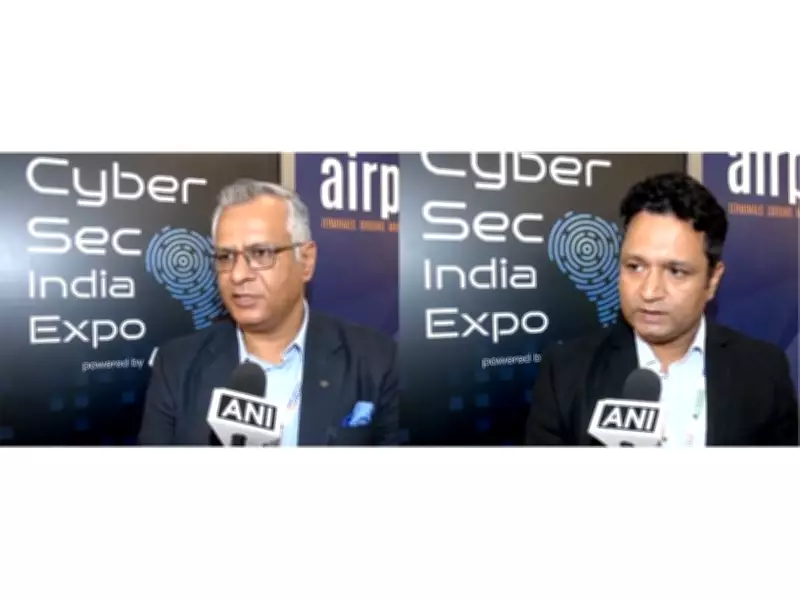
In an era of escalating cyber threats, experts have underscored the critical importance of multi-factor authentication (MFA) and zero trust architectures for safeguarding data access. With the shift towards remote and hybrid work models, traditional security perimeters have dissolved, making robust authentication and continuous verification essential.
The Growing Need for MFA
Multi-factor authentication adds layers of security by requiring users to provide multiple verification factors before granting access. This significantly reduces the risk of unauthorized entry, even if passwords are compromised. Experts recommend implementing MFA across all systems, especially for privileged accounts and sensitive data.
Zero Trust: A Paradigm Shift
Zero trust operates on the principle of 'never trust, always verify.' It assumes that threats can exist both inside and outside the network, so every access request must be authenticated, authorized, and encrypted. This model minimizes the attack surface and limits lateral movement within networks.

Industry leaders advocate for combining MFA with zero trust to create a resilient security posture. While MFA verifies user identity, zero trust ensures that access is granted only on a need-to-know basis and continuously monitored.
Implementation Challenges
Despite their benefits, deploying MFA and zero trust can be challenging. Organizations must balance security with user convenience, integrate with legacy systems, and manage costs. However, experts argue that the long-term benefits far outweigh the initial hurdles, especially given the rising frequency of data breaches.
Future Outlook
As cyber threats evolve, so must security strategies. Experts predict that MFA and zero trust will become standard practices, with advancements in biometrics and AI-driven analytics further enhancing their effectiveness. Businesses are urged to adopt these measures proactively to protect their digital assets.






