Navi Mumbai Man Defrauded of Rs 10.30 Lakh in MGL Bill Update Scam
A 42-year-old man from Ghansoli in Navi Mumbai has become the latest victim of a sophisticated cyber fraud scheme, losing a staggering Rs 10.30 lakh to criminals posing as MGL employees. The incident, which occurred on March 26, underscores the growing threat of digital scams targeting unsuspecting residents through deceptive messaging and malicious software.
Details of the Ghansoli Fraud Case
According to the FIR filed at the Koparkhairane police station, the victim, Ashraf Gaeen, who owns a printing press, was at home around 6 PM when he received a WhatsApp message from an individual identifying himself as Deepak Joshi. The message falsely claimed that Gaeen's MGL bill payment had not been updated, threatening disconnection of his residential PNG supply if immediate action was not taken.
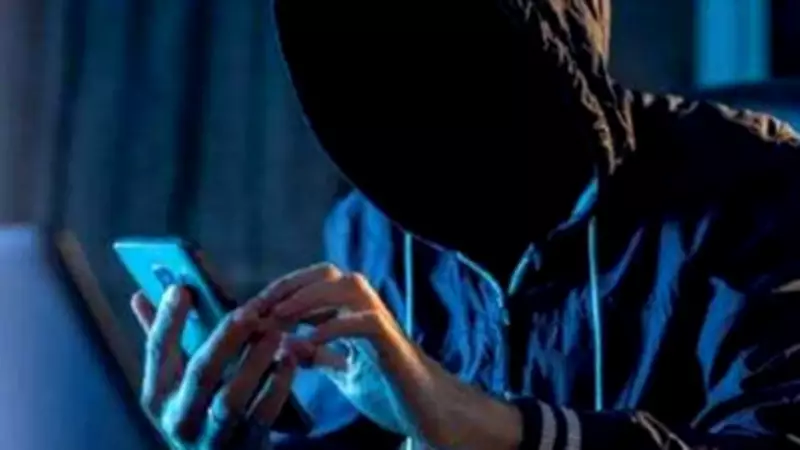
Soon after, Gaeen received another similar message from a different number, which included a link to download an APK file named 'MGLBILLUPDATE.Apk'. Under the guise of resolving the billing issue, he was instructed to enter his mobile number linked to his bank account and his date of birth into the application.

Immediately after providing this information, Gaeen began receiving multiple bank alert messages indicating unauthorized transactions from his savings account and credit card, totaling Rs 10.30 lakh in debits. Realizing that his mobile device had been compromised by the APK file, which likely granted remote access to his data, he promptly deleted the file to prevent further financial losses.
Connection to Earlier Kharghar Incident
This case is not isolated. In a strikingly similar modus operandi, a woman from Kharghar was defrauded of Rs 4.92 lakh in February by the same cyber fraudster, Deepak Joshi, who also posed as an MGL employee. She received a WhatsApp message on February 27, warning of PNG disconnection due to non-updated bill payments and was directed to contact Joshi for assistance.
Upon contact, Joshi sent her an APK file link, which she downloaded. Under the pretext of updating her MGL bill, she was manipulated into entering personal and bank account details. Unbeknownst to her, the scammer had hacked her mobile through the APK, gaining remote access to her internet banking and intercepting OTPs.
The fraudster then used her details to obtain an online personal loan of Rs 5.77 lakh through an app, with the amount credited directly to her bank account. Subsequently, the scammer transferred Rs 4.92 lakh to another account by remotely accessing her internet banking. Alerted by bank transaction notifications, the woman quickly contacted her bank to freeze the account, thwarting additional unauthorized transfers.
Police Action and Broader Implications
Both victims have filed FIRs under the Bharatiya Nyaya Sanhita (BNS) and the Information Technology Act, with cases registered at the Koparkhairane and Kharghar police stations. These incidents highlight a recurring pattern of cyber fraud in the Navi Mumbai area, where scammers exploit trust in utility providers to install malicious software and steal sensitive financial information.
Authorities are investigating the links between these cases, focusing on the identity of Deepak Joshi and the methods used to distribute the fraudulent APK files. Residents are urged to exercise extreme caution with unsolicited messages, avoid downloading unknown applications, and verify any billing issues directly with official company channels. The rise in such scams calls for enhanced public awareness and stricter cybersecurity measures to protect individuals from financial exploitation.