Truecaller India Reports Over 4,100 Crore Spam Calls in 2025
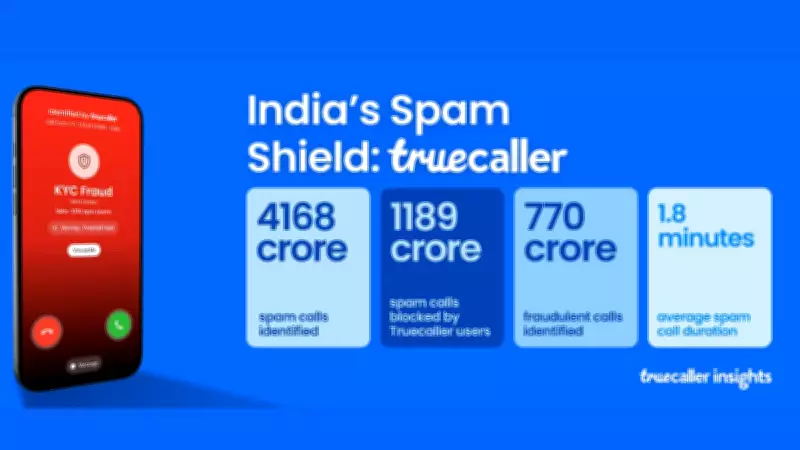
In a startling revelation, Truecaller, the popular caller identification and spam-blocking application, has reported that India experienced over 4,100 crore spam calls in the year 2025. This massive figure underscores the escalating challenge of unwanted communications faced by millions of mobile users across the country. The data, compiled from Truecaller's extensive user base, highlights the persistent and growing nuisance of spam calls, which range from telemarketing pitches to fraudulent schemes.
Unprecedented Surge in Unwanted Communications
The report indicates a significant increase in spam call volumes compared to previous years, with the 4,100 crore mark representing a sharp rise in such activities. Truecaller's analysis suggests that this surge is driven by factors such as the proliferation of low-cost calling technologies, increased digital adoption, and the ongoing economic shifts that have made telemarketing and scams more prevalent. Users across urban and rural areas have been equally affected, with many reporting multiple spam calls daily, disrupting personal and professional lives.
Key insights from the report include:

- An average of over 11 crore spam calls per day in India during 2025.
- A notable concentration of spam calls during peak business hours, indicating targeted telemarketing efforts.
- Increased reports of financial fraud and phishing attempts disguised as legitimate calls from banks or government agencies.
Impact on Users and the Need for Solutions
The deluge of spam calls has not only caused annoyance but also posed serious risks to user security and privacy. Many of these calls are designed to extract personal information or trick individuals into financial transactions, leading to potential losses. Truecaller's role in mitigating this issue has become increasingly critical, with its call-filtering features helping users identify and block suspicious numbers. However, the sheer volume of spam calls suggests that more comprehensive measures are needed from telecommunications providers and regulatory bodies.
Experts emphasize that while apps like Truecaller provide a frontline defense, a multi-layered approach involving stricter regulations, enhanced network-level filtering, and public awareness campaigns is essential to curb this menace. The report calls for collaborative efforts between tech companies, government agencies, and consumers to tackle the root causes of spam proliferation.
Looking Ahead: Challenges and Opportunities
As India continues to expand its digital footprint, the challenge of spam calls is expected to evolve, with new tactics emerging from malicious actors. Truecaller's data serves as a wake-up call for the industry to innovate and adapt. Future solutions may include advanced AI-driven detection systems, real-time collaboration between apps and telecom operators, and stronger legal frameworks to penalize offenders. For now, users are advised to remain vigilant, utilize available tools, and report spam calls to help improve collective security.
This report not only highlights a critical issue in India's telecommunications landscape but also underscores the importance of technology in safeguarding user experiences in an increasingly connected world.