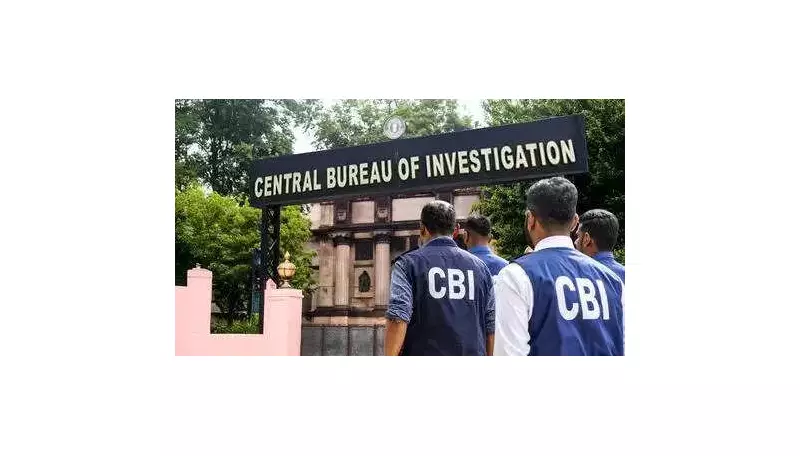
In a significant move to dismantle the technical infrastructure supporting organized cybercrime, the Central Bureau of Investigation (CBI) has arrested a senior telecom official. The arrest is linked to a massive investigation into the illegal bulk sale of SIM cards, which were subsequently used by scammers to defraud Indian citizens.
Manager Facilitated Fraudulent SIM Issuance
The accused has been identified as Binu Vidhyadharan, who worked as an Area Sales Manager (Delhi) with Vodafone. His role allegedly came to light during the CBI's ongoing probe into a large-scale module first reported by the Times of India in December. The investigation revealed that this module was responsible for procuring over 20,000 SIM cards, most of which ended up in the hands of cybercriminals.
According to the agency, the suspect was actively involved in facilitating the fraudulent bulk issuance of SIM cards. "He arranged dummy individuals, falsely projecting them as employees of M/s Lord Mahavira Services India Pvt Ltd, and submitted their documents to complete the KYC formalities," a CBI spokesperson stated. Among those falsely listed were members of a family residing in Bengaluru. Copies of their Aadhaar cards were recovered from the accused official's possession.

Scale of the SIM Card Fraud Operation
The CBI uncovered an organized phishing network operating from Delhi-NCR and Chandigarh that provided bulk SMS services to cybercriminals, including foreign actors. The module procured approximately 21,000 SIM cards in clear violation of Department of Telecommunications (DoT) rules, specifically to transmit bulk SMS for phishing campaigns.
The investigation found that in the 2024-2025 period alone, scammers obtained 7,721 SIM connections through this fraudulent scheme. The accused manager allegedly provided false end-user lists and reused the same identification documents to issue multiple SIMs. In one shocking example, 90 SIM cards were issued for just 10 people, and 1,000 numbers were activated for only 143 individuals across the country.
SIM Cards Powered Phishing Ecosystem
The fraudulently obtained SIM cards were used to operate the extensive phishing ecosystem exposed by the CBI. These SIMs were controlled via an online platform to send bulk messages offering fake loans, investment opportunities, and other financial benefits. The sole aim was to steal personal and banking details from unsuspecting victims.
Technical analysis revealed deeper violations. Some of the numbers operated across 203 to 387 different IMEIs and generated 1-second automated calls—patterns consistent with SIM Box operations, IMEI tampering, and Machine-to-Machine (M2M) communication. All these activities are strictly prohibited under DoT guidelines. A SIM box is a device that can hold hundreds of SIM cards and is often used to disguise international calls and bypass telecom regulations.
This arrest follows the apprehension of three individuals, including a channel partner of the telecom service provider, in December. All are currently in judicial custody. The CBI's crackdown highlights a concerted effort to target the enablers and technical backbone of cybercrime networks plaguing the nation.