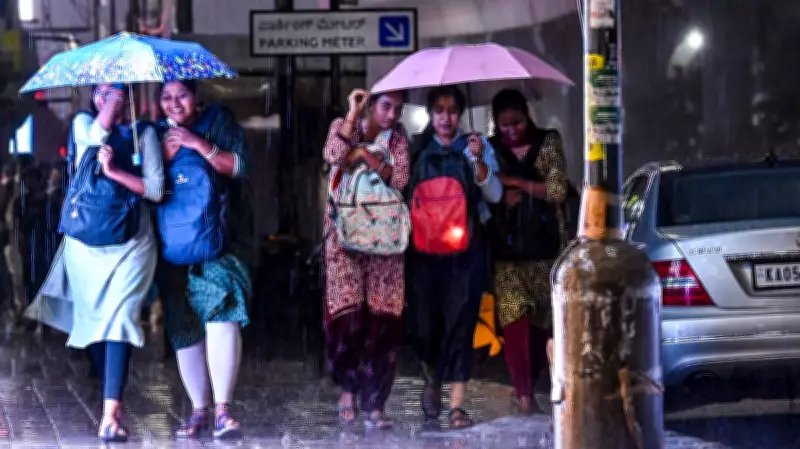
Bengaluru continues to enjoy cleaner air compared to other major Indian cities, even as the monsoon remains delayed in 2026. The city's Air Quality Index (AQI) has largely stayed in the 'Satisfactory' or 'Moderate' categories throughout the year, rarely reaching the 'Good' zone.
Bengaluru's Air Quality Ranking
According to data from the Karnataka State Pollution Control Board, Bengaluru typically records the lowest AQI among India's metropolitan areas. For most of the year, the city's AQI ranges between 50 and 100, classified as 'Satisfactory' by the Central Pollution Control Board. Only during brief periods after heavy rainfall does the AQI dip below 50, entering the 'Good' category.
Impact of Delayed Monsoon
The monsoon has been truant in 2026, with rainfall deficits reported across Karnataka. Despite this, air quality has not deteriorated significantly. Officials attribute this to the city's green cover and reduced industrial emissions. However, experts warn that prolonged dry spells could lead to higher particulate matter levels.

“The absence of monsoon has not yet caused a spike in pollution, but we are monitoring the situation closely,” said a senior official from the Karnataka State Pollution Control Board. “The city's AQI remains in the 'Satisfactory' range, which is better than most other metros.”
Comparison with Other Cities
In contrast, cities like Delhi, Mumbai, and Kolkata frequently record AQI values above 200, falling into the 'Poor' or 'Very Poor' categories. Bengaluru's consistent 'Satisfactory' rating makes it a standout among Indian metropolises. The city's unique geography and wind patterns also contribute to dispersing pollutants.
Future Outlook
As the monsoon is expected to arrive later in July, authorities are hopeful that rainfall will further improve air quality. Until then, residents are advised to limit outdoor activities during peak traffic hours to minimize exposure to vehicular emissions.