UPI Outage Temporarily Disrupts Bengaluru Metro Services
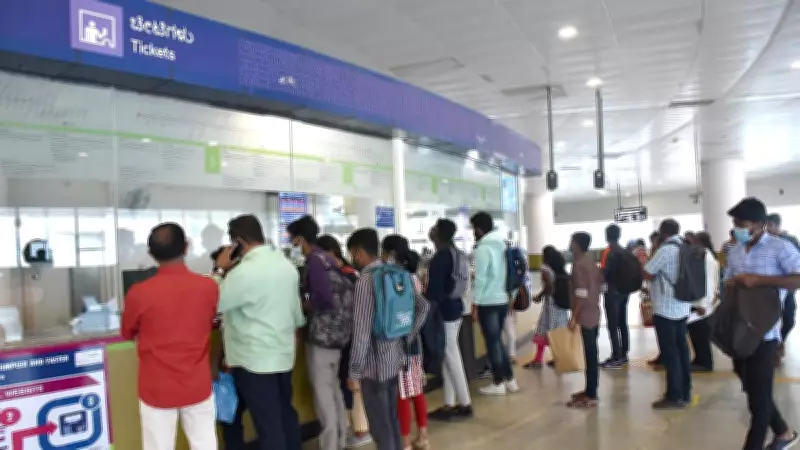
A sudden and unexpected outage of the Unified Payments Interface (UPI) system caused significant disruptions to metro services in Bengaluru, India's tech capital, on a recent day. The technical glitch temporarily halted digital payment transactions at metro stations across the city, leading to commuter chaos and long queues as passengers scrambled to find alternative payment methods.
Impact on Commuters and Metro Operations
The UPI outage directly affected the Bengaluru Metro Rail Corporation Limited (BMRCL) services, as many commuters rely heavily on digital payments like UPI for purchasing tickets or recharging their metro cards. With the system down, passengers were unable to use popular apps such as PhonePe, Google Pay, or Paytm to complete transactions at ticket counters and automated machines.
This forced metro authorities to quickly implement contingency measures, including encouraging commuters to use cash or other available payment options. However, the sudden shift caused delays and congestion at stations, particularly during peak hours, as not all passengers were carrying sufficient cash or had access to alternative digital wallets.

Resolution and Official Response
The UPI outage was resolved within a few hours, with services gradually restoring to normalcy. Officials from the National Payments Corporation of India (NPCI), which oversees UPI, attributed the disruption to a temporary technical issue that was promptly addressed. They assured the public that such incidents are rare and that systems are in place to minimize future occurrences.
In response, BMRCL issued statements advising commuters to have backup payment methods ready, such as cash or physical metro cards, to avoid inconvenience during similar technical snags. The corporation also highlighted its efforts to enhance payment infrastructure resilience, including exploring offline payment solutions and improving network stability.
Broader Implications for Digital India
This incident underscores the growing dependence on digital payment systems in urban India, especially in cities like Bengaluru, which is at the forefront of technological adoption. While UPI has revolutionized transactions by offering convenience and speed, outages like this reveal vulnerabilities in public transport systems that increasingly rely on such platforms.
Experts note that as India pushes forward with its Digital India initiative, ensuring robust and fail-safe payment mechanisms is crucial to prevent disruptions in essential services like metro transit. This event serves as a reminder for both authorities and citizens to maintain a balance between digital and traditional payment methods to mitigate risks during technical failures.
Lessons Learned and Future Preparedness
The temporary UPI outage in Bengaluru has sparked discussions on improving contingency plans for public transport networks. Suggestions include implementing offline payment options, increasing awareness about alternative methods, and conducting regular system audits to prevent similar issues.
For now, metro services in Bengaluru have returned to normal, but the incident leaves a lasting impact on how digital infrastructure is managed in India's bustling metropolitan areas. Commuters and officials alike are now more aware of the need for preparedness in an increasingly digital-dependent world.