

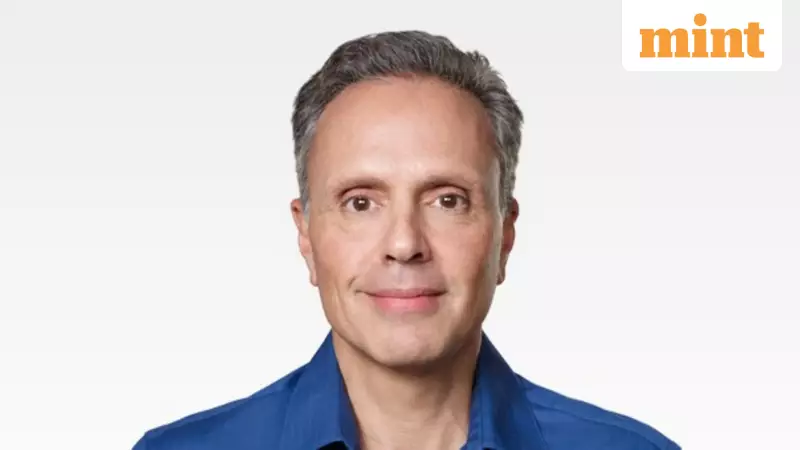
Tech giant Apple is navigating its most significant leadership turbulence in years, with a pivotal figure at its core: Johny Srouji. The senior vice-president of hardware technologies, a legend within Silicon Valley circles, is reportedly contemplating his future at the company, sending shockwaves through the organisation.
The Silicon Mastermind Behind Apple's Revolution
Johny Srouji, who became part of Apple in 2008, is the acknowledged architect of the company's groundbreaking in-house chip strategy. Before his arrival, Apple depended on processors from external suppliers. Srouji spearheaded the shift to designing custom silicon, a move that delivered massive performance improvements and became a key differentiator for iPhones, iPads, and Macs.
The M-series chips, now the powerhouse of every modern Mac, stand as one of Apple's most crucial technological achievements in the last ten years. Internally, Srouji is viewed as a composed but immensely powerful leader whose work forms the foundation of virtually all Apple products.

A Potential Exit Amidst Intense Challenges
According to a Bloomberg report, Srouji has informed CEO Tim Cook that he is seriously considering stepping down. He has also privately suggested that he would move to another company if he decides to leave. This timing is particularly difficult for Apple.
The company is already dealing with a series of high-profile departures and an escalating war for elite talent in artificial intelligence and hardware. With rivals like Meta and OpenAI aggressively recruiting Apple engineers, losing the visionary behind its silicon strategy would represent a severe blow to its competitive edge and future roadmap.
Cook's Countermove and a Possible Promotion
Fully aware of the crisis, Tim Cook is allegedly making a strong push to convince Srouji to stay. The retention package could involve a significant raise and the promise of broader responsibilities. One internal proposal being discussed is to promote Srouji to the role of chief technology officer (CTO).
This new position would place him directly below the CEO and grant him oversight of both hardware engineering and silicon development. However, such a restructuring might require promoting John Ternus, the current head of hardware engineering and a reported favourite to eventually succeed Cook, to a co-leadership role.
Succession Plans and Internal Candidates
If Srouji departs, Apple will likely turn to its internal bench for a replacement. As per reports, his closest deputies, Zongjian Chen and Sribalan Santhanam, are the leading candidates to take over the silicon division. Both possess extensive experience within the team, but neither currently commands the same level of influence or long-term clout as Srouji.
The situation underscores a period of wider uncertainty within Apple. The company has been facing a wave of retirements, fierce talent raids by competitors, and internal frustrations over the perceived slow pace in generative AI development. Morale in some divisions has suffered, and Apple's decision to initially rely on external AI models has surprised many employees.
The central questions now extend beyond one individual. Apple must find a way to stabilise its leadership bench, protect its engineering talent, and urgently rebuild its momentum in an era dominated by rapid AI innovation and hardware advancement.






