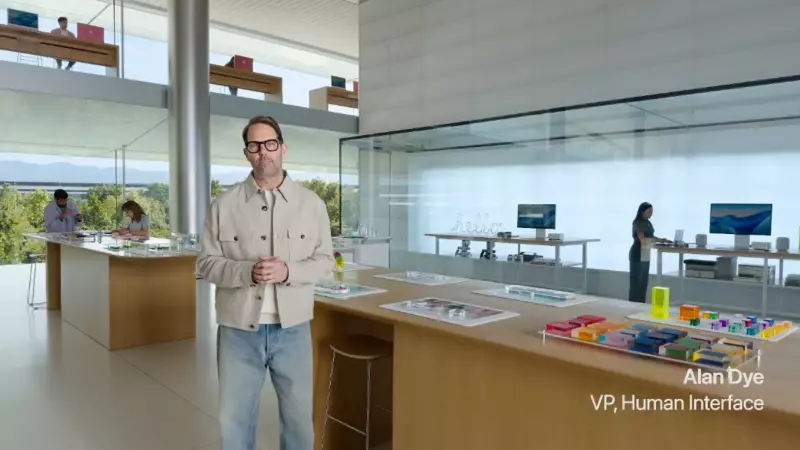
In a significant talent raid, Meta Platforms has successfully recruited a top Apple design executive, dealing a blow to the Cupertino-based tech giant's creative leadership. Alan Dye, Apple's Vice President of Human Interface Design, is departing after nearly two decades to join Meta as its new Chief Design Officer. His last day at Apple will be December 31, after which he will report directly to Meta's Chief Technology Officer, Andrew Bosworth.
A Veteran Designer's Departure Reshapes Tech Rivalry
Alan Dye's exit marks another high-profile departure from Apple to its rival Meta, continuing a trend of key executives switching sides. Dye, who has been with Apple since 2006, was a central figure in the company's software aesthetic. He took over leadership of the user-interface design team in 2015 following the reduced day-to-day role of legendary designer Jony Ive. During his tenure, Dye worked on the software design for iconic products including the iPhone, iPad, Mac, Apple Watch, Apple TV, and the Vision Pro.
Apple CEO Tim Cook confirmed the departure in a statement. Dye will be succeeded by Stephen Lemay, a long-time Apple designer who has been with the company since 1999. This transition comes at a critical time as Apple faces pressure to innovate beyond the iPhone.

Dye's Legacy at Apple and Meta's Ambitious Vision
One of Alan Dye's most notable recent contributions at Apple was leading the redesign of the software interface for iOS, macOS, and watchOS. Unveiled at the Worldwide Developers Conference in June, the new design language, internally referred to as "Liquid Glass," introduced translucent buttons, refreshed app icons, and fluid animations. Dye hailed it as the "next chapter" for Apple's software, setting the stage for future products. However, the rollout with iOS 26 has received a mixed response from users.
At Meta, Dye's role will be pivotal. CEO Mark Zuckerberg announced in a social media post that Dye will lead a new creative studio merging design, fashion, and technology. "We plan to elevate design within Meta," Zuckerberg stated, though specific product assignments were not disclosed. This move aligns with Meta's heavy investment in consumer hardware like AI-powered smart glasses and virtual-reality devices, areas where it aims to outpace competitors.
The Strategic Implications for Both Tech Titans
This recruitment is a strategic win for Meta and a concern for Apple. Meta has been aggressively pursuing its metaverse and AI hardware vision, with products like the Ray-Ban smart glasses earning positive reviews. Apple, meanwhile, does not currently have a direct competitor in the smart glasses segment, though rumors suggest a product may launch around 2027. Furthermore, Apple's foray into mixed reality with the Vision Pro headset has struggled commercially, highlighting the challenges in moving beyond its core products.
For Meta, acquiring a designer of Dye's calibre, with over 20 years of experience at Apple, injects deep expertise in creating cohesive, consumer-friendly software experiences—a crucial element as it builds more advanced wearable devices. The battle for top tech talent is intensifying, and Dye's jump underscores the fierce competition between these two Silicon Valley behemoths as they chart their futures in next-generation computing.