

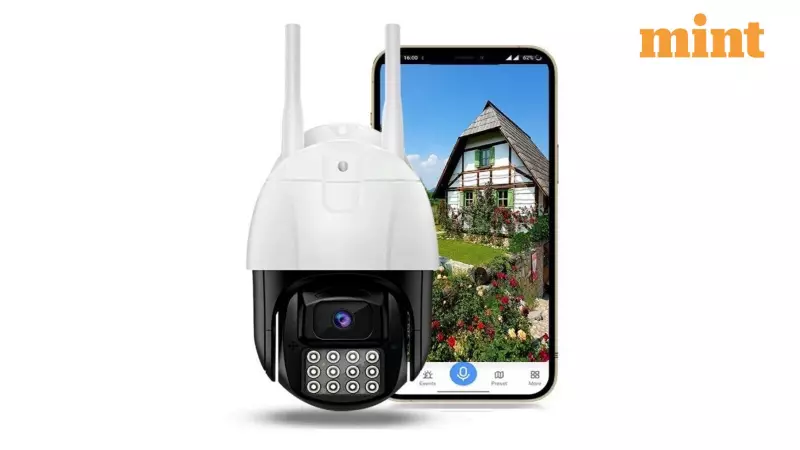
In today's security-conscious world, CCTV cameras are fundamental for protecting homes, offices, and public areas. Their evolution has moved far beyond simple video recording. A pivotal advancement has been the integration of audio, a feature that profoundly alters how we understand and react to potential threats. While the distinction between one-way and two-way audio might seem technical, its practical impact reshapes the entire security landscape. Knowing this difference is key to selecting a system that offers not just clarity but real control.
The Power of Passive Listening: One-Way Audio
One-way audio in a CCTV setup allows the device to pick up sounds from its surroundings but offers no means to speak back through it. Its core function is evidence collection. By recording voices, ambient noises, or specific sounds like breaking glass, it adds crucial context that video footage alone misses. For instance, hearing the distinct sound of a door being forced provides a level of situational awareness that silent video cannot match.
This type of audio is ideal for environments where the primary goal is observation. Places like retail stores, large warehouses, and office reception areas gain from the ability to monitor events audibly in real-time. It even helps security personnel detect suspicious activity occurring outside the camera's field of view. However, a significant limitation is that one-way audio provides no active deterrence. You can witness an event but cannot intervene directly through the camera.

Despite this, its value for post-incident analysis, staff oversight, and resolving disputes remains high. It enriches security footage, proving especially useful when visual evidence is ambiguous or insufficient.
Active Intervention with Two-Way Audio
Two-way audio fundamentally changes a CCTV camera's role from a passive recorder to an active communication tool. This feature lets you both listen to and speak through the device, opening doors for immediate intervention. If an intruder enters your property, you can issue a verbal warning directly through the camera. Often, the mere presence of an authoritative voice is enough to stop unwanted behaviour.
This technology is a cornerstone of modern smart home ecosystems in India. Parents use it to greet children returning from school, pet owners correct their pets remotely, and homeowners instruct delivery personnel. In commercial settings, it facilitates remote supervision, aids in access control, and enables faster responses to unfolding situations.
During emergencies, two-way audio becomes indispensable. It allows for instant guidance, reassurance, or coordination until physical help arrives, making it invaluable for small businesses, care homes, and residential societies. Unlike its one-way counterpart, the interactive nature of two-way communication creates a powerful sense of presence, granting you authority and influence during critical moments, no matter where you are.
Selecting the Right Audio for Your Security Needs
Choosing between one-way and two-way audio depends on your specific environment and desired level of control. If your priority is unobtrusive monitoring and detailed evidence gathering, one-way audio is typically sufficient and cost-effective. It delivers high-quality sound capture without complexity.
Conversely, if your goal is active deterrence, real-time communication, or remote interaction, investing in two-way audio is a significant upgrade. It slashes response times and transforms surveillance from mere observation to proactive prevention. However, it demands a robust and stable network connection to prevent audio lag or distortion, making good Wi-Fi essential.
Ultimately, this choice is not just a technical specification; it defines how your security system functions daily. Audio capability shapes your interaction with your space and dictates how effectively you can respond to events. Understanding the difference ensures you build a more thoughtful and effective security strategy.






