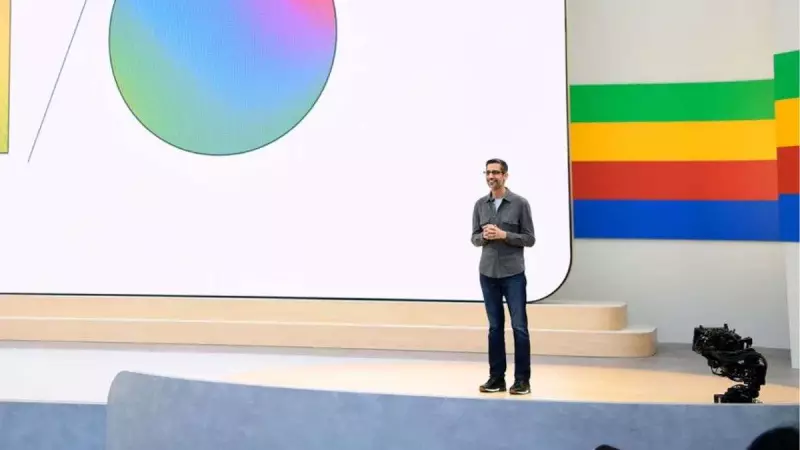
Google has officially set the stage for a significant leap into the world of immersive computing. The tech giant has announced a dedicated event on December 8, 2025, where it will unveil major updates to its Android XR platform and is strongly hinting at the launch of new hardware, including smart glasses and headsets.
What to Expect at the December 8 Android XR Event
The upcoming event, confirmed through official channels, is poised to be a cornerstone moment for Google's extended reality ambitions. The focus will be squarely on the next evolution of the Android XR operating system, which is the software foundation for augmented reality (AR) and virtual reality (VR) devices. Industry analysts anticipate the updates will bring deeper AI integration, improved developer tools, and enhanced spatial computing capabilities, making it easier for creators to build immersive experiences.
More intriguingly, Google's teaser materials have prominently featured silhouettes and design cues suggesting new hardware. The company is expected to showcase its vision for the future of wearable technology, moving beyond smartphone-dependent AR. This could mark Google's re-entry into the smart glasses arena with a more advanced, standalone product and potentially a new headset to compete in the evolving mixed reality market.

Google's Strategic Push into Immersive Technology
This event signifies a renewed and aggressive push by Google into the XR space, an area where it has experimented in the past with projects like Google Glass and Daydream. The December 8 announcement appears to be a consolidated effort, combining a robust software platform with compelling hardware. The move is seen as a direct response to the growing competition from other tech giants who are investing heavily in the metaverse and spatial computing ecosystems.
By controlling both the operating system and the hardware design, Google aims to create a seamless and powerful user experience. The development suggests a future where Android XR could become as ubiquitous for AR/VR devices as Android is for smartphones, providing a common platform for multiple manufacturers while Google also offers its own flagship devices.
Implications for Developers and the Tech Ecosystem
The major Android XR updates are likely to be warmly welcomed by developers. A more mature and feature-rich platform from Google lowers the barrier to entry for creating AR and VR applications. This could accelerate the availability of high-quality content, which is crucial for mainstream adoption of XR technology. Developers in India and worldwide will be keenly watching for details on new APIs, simulation tools, and potential marketplace support.
For consumers, the tease of new smart glasses and headsets points to a near future where immersive technology becomes more integrated into daily life. Potential applications range from advanced navigation and real-time language translation overlays in smart glasses to fully immersive training and entertainment in headsets. The success of these products will heavily depend on the software ecosystem unveiled on December 8.
All eyes are now on December 8, 2025. Google's event has the potential to redefine its position in the next computing paradigm. Whether the new Android XR updates and teased hardware can capture the imagination of developers and users alike remains to be seen, but it undoubtedly marks one of the most important tech moments for the company in recent years.