Self-Cleaning Toilets: Revolutionizing Bathroom Maintenance
Bathroom cleaning often ranks among the least enjoyable household tasks, consuming significant time and feeling endlessly repetitive. Regardless of how frequently it is done, the chore never seems to conclude. This persistent issue has led to the rise of self-cleaning toilets, offering an automated solution that promises to simplify daily life.
How Self-Cleaning Toilets Function and Their Key Benefits
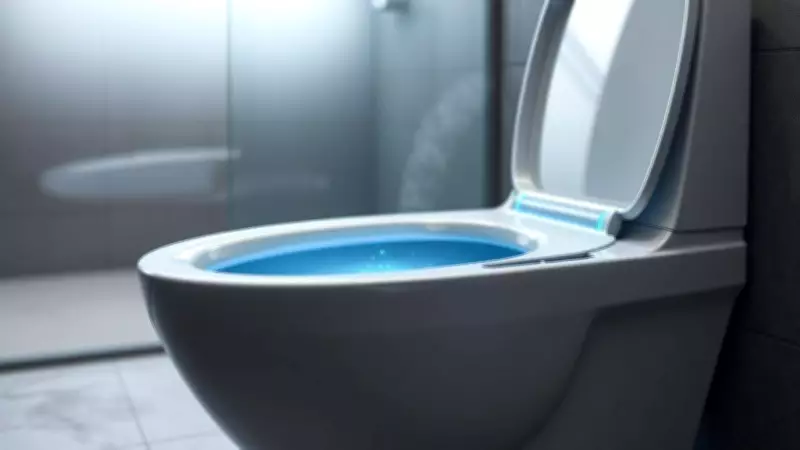
Self-cleaning toilets incorporate advanced mechanisms with various automatic features designed to minimize manual effort. For example, some models dispense cleaning fluid during each flush cycle, while others utilize powerful water jets to thoroughly cleanse the bowl. Additionally, certain toilets employ ultraviolet light cycles to sanitize surfaces effectively.
According to resources from platforms like The Bathroom Blueprint and Ben Franklin Plumbing, these systems operate seamlessly in the background, requiring minimal user intervention. Over time, they help prevent the accumulation of stains and odors, enhancing overall hygiene. Many models also include integrated bidet functions, which improve personal cleanliness and reduce reliance on toilet paper, making them ideal for families seeking to streamline their routines.

The appeal of self-cleaning technology extends to health and environmental concerns. As awareness of indoor air quality grows, many consumers prefer products that limit exposure to harsh chemicals. Research published in the journal Environmental Science and Technology, such as the study "Household cleaning product use and indoor air quality," underscores how frequent use of cleaning agents can alter indoor air composition. By decreasing the need for repeated chemical applications, self-cleaning toilets cater to those desiring a simpler, lower-exposure home environment.
Water conservation represents another significant advantage. Most self-cleaning toilets feature dual-flush mechanisms that optimize water usage, potentially leading to long-term cost savings and promoting sustainable consumption habits.
Important Considerations Before Making a Purchase
While convenience is a major draw, it comes with certain drawbacks that prospective buyers must evaluate. Installation poses the first challenge; unlike standard toilets, self-cleaning models combine plumbing with electronic components, making the process more complex. Even for avid DIY enthusiasts, professional assistance is often advisable to avoid performance issues or long-term malfunctions.
Maintenance requirements also differ. These toilets still demand attention, albeit in altered forms. Components such as cleaning cartridges, batteries, or UV elements may need periodic replacement. Neglecting these steps can compromise system efficiency.
Cost is a critical factor as well. Initial prices vary, with budget-friendly options available, but higher-end models can significantly impact overall expenses. Beyond the upfront investment, ongoing costs for replacement parts and servicing should be anticipated.
Research by Sustainable Sanitation and Water Efficiency Systems indicates that while water-saving toilets reduce consumption, their effectiveness hinges on proper maintenance over time. Benefits are only realized when the device functions as intended.
User feedback highlights both positives and negatives. Many appreciate the technology for reducing cleaning efforts, yet some report issues like interrupted cleaning cycles or frequent part replacements. Therefore, reading reviews and selecting a reliable model is essential.
Balancing Convenience with Practicality
Self-cleaning toilets present an innovative alternative to traditional toilet maintenance, significantly cutting down on cleaning labor. However, the trade-offs involving installation complexity and ongoing upkeep cannot be ignored. For some, the compromise aligns well with their lifestyle needs, offering a worthwhile convenience. Others may find that conventional systems remain more predictable and cost-effective.

Ultimately, the decision revolves around balancing the desire for ease with acceptance of additional technology. Regardless of choice, maintaining cleanliness and manageability in the bathroom remains paramount. The approach selected should harmonize with individual lifestyles and household requirements, ensuring a practical and hygienic solution.