

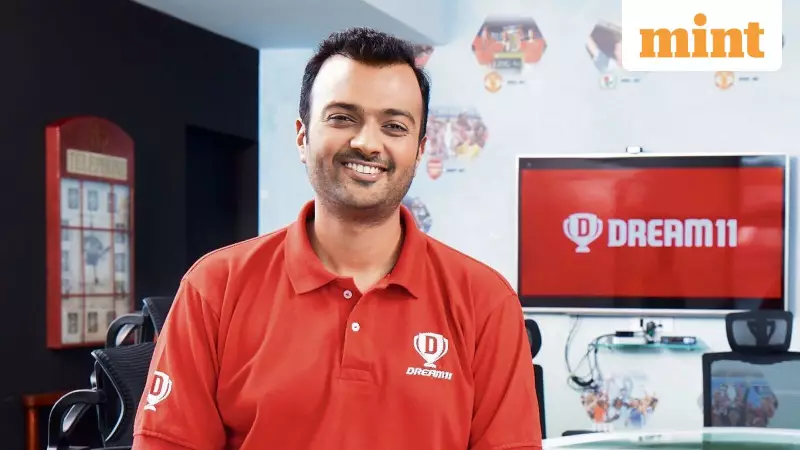
Dream11, India's fantasy sports behemoth with a user base of 250 million, is executing a dramatic strategic pivot. The company is transforming from a pure-play fantasy gaming platform into a comprehensive sports entertainment hub, placing a major bet on the rising culture of online 'watch-parties'. This move comes in the wake of regulatory challenges that impacted its core real-money gaming business, pushing it towards a model centered on free, social, and creator-led engagement.
The Strategic Shift: From Fantasy Contests to Social Viewing
This is not Dream11's first foray into sports, but it represents a fundamental change in approach. For years, the platform's identity was built on fantasy cricket and other sports, where users created virtual teams and competed for cash rewards based on real-match outcomes. The new vision, articulated by CEO Harsh Jain, shifts the focus from playing around cricket to watching and interacting around it. The goal is to evolve the user experience from transactional fantasy contests to immersive social viewing.
The company estimates the total addressable market (TAM) for this kind of interactive sports engagement at a staggering $10 billion in revenue, citing over a billion sports enthusiasts globally. The pivot draws inspiration from global platforms like Twitch, which Amazon acquired for $970 million in 2014, where live streaming, real-time interaction, and creator monetization are core features.

Monetizing Fandom: Ads, Micro-payments, and Influencer Economics
The business model has undergone a complete overhaul. Dream11 is moving away from entry fees and cash contests to a free-to-play platform monetized through digital advertising, micro-transactions, and paid interactions with performers. The company plans to start with small-ticket items, such as shout-outs or interactions priced between ₹3 and ₹10, with a share going to influencers and a platform fee retained by Dream11.
Industry experts like Madhur Singhal, Managing Partner at Praxis Global Alliance, note that while India's digital advertising market is sizable at $16 billion, free-to-play models often see slower revenue per user growth initially. However, the seamless digital payments infrastructure in India could allow these low price points to scale rapidly, especially with Gen-Z and millennial audiences who are receptive to such engagement formats.
Challenges: Creator Depth, Competition, and Viewer Habits
The success of this ambitious pivot is not guaranteed and faces several significant hurdles. A primary challenge is the depth of India's creator economy specifically for sports. While the creator ecosystem has scale, a robust pool of sports-native commentators, hosts, and streamers is still emerging. Dream11 may need to invest in building this pipeline itself.
Furthermore, convincing sports fans to split their attention between traditional TV or OTT broadcasts and creator-led streams requires a major behavioral shift. Dream11 is betting on the universal appeal of watching reactions and gaining insights, hoping to institutionalize the 'second screen' experience. However, they face intense competition from deep-pocketed incumbents like Reliance, which is aggressively monetizing cricket viewership through subscriptions and targeted ads, and other OTT giants who could easily replicate watch-party features.
Dream11's broader parent group, Dream Sports, is also diversifying its portfolio, launching ventures like Dream Money for wealth management and planning a stock broking entry, as a hedge against risk. The company, backed by investors including Tencent, Tiger Global, and TPG, was last valued at $8 billion. It reported revenues of ₹6,384 crore and a profit of ₹188 crore for FY23, figures that declined following the real-money gaming ban. The company also exited a high-profile ₹358-crore, three-year jersey sponsorship deal with the BCCI in late 2023 after the ban was notified.
Ultimately, Dream11's gamble hinges on whether it can build a vibrant, engaged community around live sports that is compelling enough to attract both viewers and advertisers, defending this space against powerful competitors who already control content rights and distribution.






