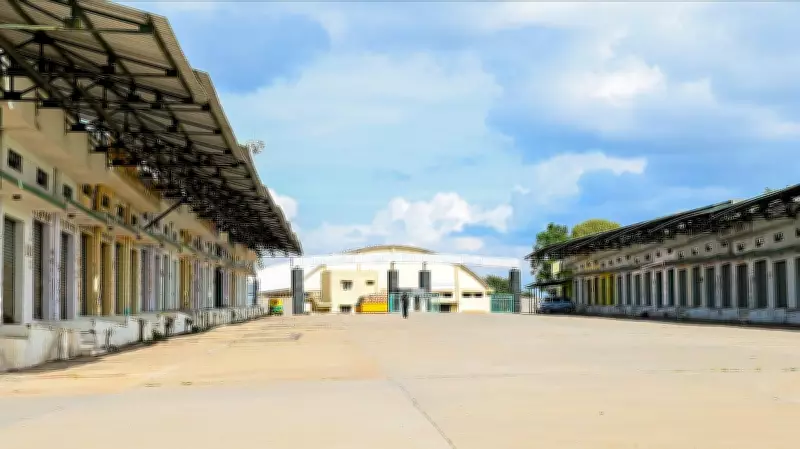
In a significant development for Bengaluru's agricultural sector, three Agricultural Produce Market Committees (APMCs) have emerged victorious in a protracted legal dispute, securing 450 acres of land for the establishment of mega markets. This landmark decision is expected to revolutionize the way agricultural produce is traded in the city, providing farmers with better infrastructure and market access.
Legal Victory After Years of Litigation
The legal battle, which spanned several years, involved complex ownership and land-use disputes. The APMCs—Yeshwanthpur, K R Market, and Shivajinagar—had been fighting for the allocation of land to create modern, integrated market complexes. The courts ultimately ruled in their favor, recognizing the need for upgraded facilities to handle the growing volume of agricultural produce in the region.
Details of the Land Allocation
The 450 acres of land, located in strategic areas around Bengaluru, will be used to develop mega markets equipped with cold storage, sorting and grading facilities, and efficient logistics. This infrastructure aims to reduce post-harvest losses and ensure fair prices for farmers. The mega markets are expected to serve as hubs for wholesale trade, connecting producers directly to retailers and consumers.

Impact on Farmers and Trade
Farmers in Karnataka have long faced challenges with inadequate market facilities, leading to distress sales and exploitation by middlemen. The new mega markets are designed to address these issues by providing transparent pricing mechanisms and reducing intermediaries. Additionally, the markets will feature digital platforms for price discovery and online trading, aligning with the government's push for e-NAM (National Agriculture Market).
Next Steps and Timeline
With the legal hurdles cleared, the APMCs will now focus on the development phase. The Karnataka government has pledged support for the project, including funding for basic amenities like roads, water, and electricity. Construction is expected to begin within six months, with the first phase operational by 2026. The mega markets are projected to handle thousands of tons of produce daily, benefiting over 100,000 farmers in the region.
This victory marks a turning point for Bengaluru's agricultural landscape, promising a more organized and efficient system that could serve as a model for other cities in India.