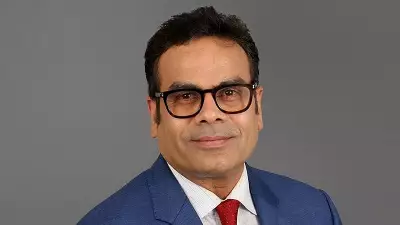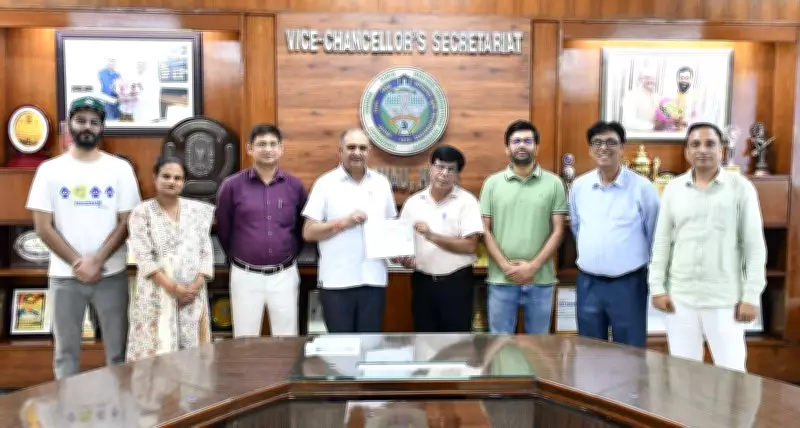
The Krishi Vigyan Kendra (KVK) in Damla, Yamunanagar, a farm service centre under Chaudhary Charan Singh Haryana Agricultural University, Hisar, held its 31st annual meeting of the Scientific Advisory Committee on July 26, 2026. Chaired by Dr Naresh Kaushik, Director of Extension Education, the meeting aimed to draft an action plan for the coming years that responds to the district's agricultural needs. The plan focuses on accelerating the spread of new farming techniques and crafting strategies to increase farmers' income.
Review of Past Year's Work
Dr Sandeep Rawal, Coordinator of KVK Damla, presented a detailed progress report on the centre's activities during 2025-26. He covered training programmes, frontline demonstrations, technical consultations, and initiatives for women and youth empowerment. The report also highlighted farmer-friendly innovations that have been introduced in the region. The meeting acknowledged the centre's role in addressing local agricultural challenges.
Action Plan for 2026-27
The action plan for 2026-27 places special emphasis on water conservation, natural resource management, climate-friendly agriculture, crop diversification, natural and organic farming, and value addition. These priorities are designed to make agriculture more sustainable and profitable in Yamunanagar. The plan also includes measures to reduce dependency on the traditional rice-wheat cycle and promote integrated farming systems.

Presidential Address: Coordination is Key
In his presidential address, Dr Naresh Kaushik stressed that KVKs should not merely disseminate technology but also provide scientific solutions to farmers' actual problems. He stated, "If agricultural scientists, various departments and farmers work in coordination, agriculture can become more profitable, sustainable and environmentally friendly." He urged farmers to move beyond the rice-wheat rotation and adopt integrated farming systems such as pulses, oilseeds, coarse grains, horticulture, vegetables, medicinal and aromatic plants, agroforestry, animal husbandry, beekeeping, mushroom production, and dairy farming. "This will reduce risk, increase income and conserve natural resources," he added.
Agroforestry and Climate Change Focus
Dr Maha Singh, Regional Director of the Regional Research Centre in Uchani, Karnal, commended KVK Damla's work. He noted the potential of agroforestry in Yamunanagar due to the district's plywood industry. He called for the development of agroforestry-based models that allow farmers to earn regular income from wood production along with other crops. He also emphasized strengthening research and extension on weather-based agricultural advisories and the effects of climate change.
Other Participants and Next Steps
The meeting was attended by several scientists from KVK Damla: Dr Anil Kumar (forestry), Dr Vishal Goyal (soil science), Dr Aradhana Bali (agronomy), Dr Asma Khan (home science), and Technical Assistant Dr Karan Singh. Also present were Dr Dilbag Litani, District Horticulture Officer for Yamunanagar, and SP Singh, president of the Farmers Club. The committee discussed the implementation of the action plan and set timelines for frontline demonstrations and training sessions. The KVK will work closely with the university and local departments to ensure the plan's success. The action plan aligns with national goals of sustainable agriculture and climate resilience, positioning KVK Damla as a model for other districts.