Mumbai: In a remarkable display of 'desi jugaad' or cost-saving improvisation, doctors at a city hospital used a heart-lung machine to successfully perform a liver transplant on a 63-year-old farmer from Uttar Pradesh. The patient, identified as Suryakant Singh (name changed), received a new lease on life thanks to this innovative approach that significantly reduced costs compared to using dedicated liver perfusion machines.
Innovative Use of Heart-Lung Machine
The heart-lung machine, commonly found in most Indian hospitals for cardiac surgeries, was repurposed to pump oxygenated blood, nutrients, and medications through the donated liver. This kept the organ functioning optimally before implantation. In Western countries, dedicated liver perfusion machines are routinely used, but they cost more than double the price of the most expensive heart-lung machines.
An international manufacturer had previously lent a few liver perfusion machines to Indian hospitals as part of a pilot project. However, their use reportedly added Rs 7 lakh per liver transplant, on top of the average transplant cost of Rs 20 lakh across India. The company later withdrew the machines. In contrast, when doctors at S L Raheja Hospital in Mahim used the heart-lung machine for Singh, only Rs 50,000 was added to the bill.

Patient's Critical Condition
Not all liver transplants require a special machine to maintain the retrieved organ, but Singh's medical history made it essential. He had been battling liver failure since 2010 and was recently diagnosed with hepatocellular carcinoma, a type of liver cancer. His kidneys were also affected. Singh moved from Varanasi to his sister's home in Mulund 18 months ago for medical reasons and registered for a cadaveric liver transplant at S L Raheja almost nine months ago, as no family member could be a match. “His health became so delicate that he needed hospitalisation every week to drain out the fluid accumulated in his abdomen,” said his sister.
The Surgical Procedure
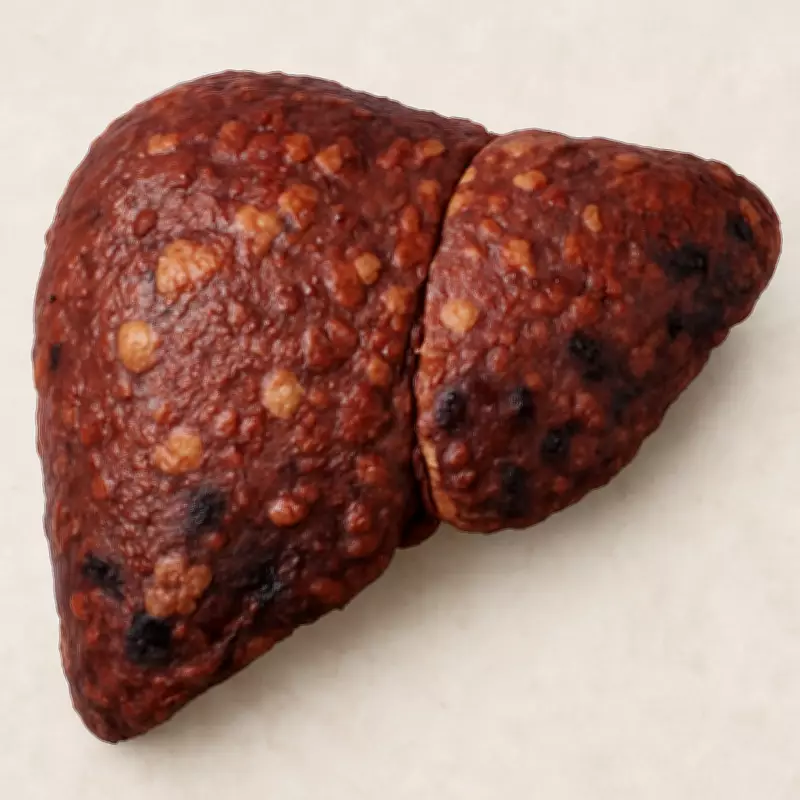
Liver transplant surgeon Dr Vikram Raut, who operated on Singh on April 3, explained that the patient was in critical condition when they received news from transplant coordinating authorities about a “marginal liver” from a brain-dead donor at another hospital. The donor had a fatty liver, diabetes, and a high body mass index, making the liver “marginal.”
“If our patient was younger, in his forties, then we would have used such a marginal liver without any worry, but giving Singh such a liver would have meant higher risk for complications,” said Dr Raut. The key was to ensure that the retrieved liver did not deteriorate when kept in cold storage, as per standard protocol. Since coordination and distribution of a brain-dead patient's organs takes time, the Raheja doctors brainstormed and decided to use the cardiopulmonary bypass machine, commonly known as the heart-lung machine.
“By using the cardiopulmonary bypass machine for five hours, we provided continuous oxygenated blood flow to the liver. The lactate clearance (the body's ability to remove excess lactic acid from the blood and improve oxygenation) also improved, and there was bile production as well,” said Dr Raut.
Research and Future Implications
The Raheja team has already submitted a research paper on Singh's case to an international medical journal. “The heart-lung machine has been used in some countries for other organs, but we didn't find any reference for the liver,” said the doctor.
Dr Ravi Mohanka, a liver surgeon at H N Reliance Hospital, commented, “In our country, we cannot use dedicated normothermic machines for liver perfusion because of the costs that run into lakhs. Hence, such innovations are the need of the hour.” He added that India currently focuses on brain-dead patients for organ donations, but as Donation after Circulatory Death (DCD) picks up, such machines would be needed.
Another senior doctor emphasised that before accepting such innovations, “we need to develop proper protocols for liver perfusion. A detailed study about settings of the heart-lung machine for liver perfusion should be standardised.”

Patient's Recovery
As for Singh, he is delighted that there is no more fluid accumulation. “I am having four eggs a day as the doctor has asked me to improve my weight and muscles, which got wasted in the last few years,” said Singh.