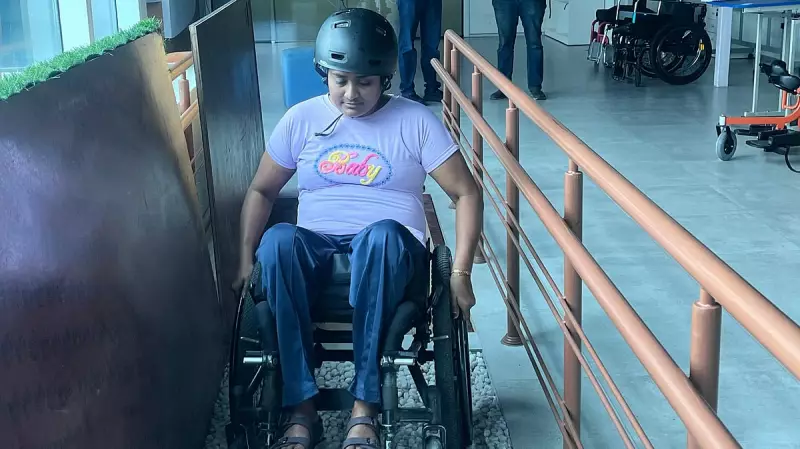
In a significant stride towards inclusivity and empowerment, innovative mobility devices are transforming the lives of people with disabilities across India. These advanced solutions are specifically designed to foster greater independence and improve daily living.
The User-Centric Approach Driving Change
At the forefront of this movement is R2D2, a research and development initiative focused on creating meaningful assistive technology. Ashish Jebin, the Lead for R&D at R2D2, emphasized that their core philosophy revolves around a deeply user-centric design process. This approach begins not with a pre-conceived product, but by actively listening to the end-users.
"Our methodology is to first understand and cater to what the user genuinely needs," Jebin explained. The team dedicates substantial effort to identifying the precise problem statements faced by individuals with disabilities in their everyday environments. Only after this crucial stage do they proceed to engineer solutions that are tailored, practical, and truly effective.

Bridging the Gap Between Need and Innovation
This shift towards empathy-driven engineering marks a departure from traditional methods where devices were often created in isolation from the lived experiences of users. By placing the user at the very center of the design cycle, R2D2 ensures their mobility devices are more than just functional; they are intuitive, accessible, and directly address the hurdles that limit independence.
The impact of such an approach is profound. It leads to the creation of devices that can range from smart wheelchairs capable of navigating complex terrains to personalized prosthetic and orthotic solutions that enhance mobility and comfort. The ultimate goal is to dismantle physical and social barriers, enabling users to participate more fully in education, employment, and community life.
Paving the Way for an Accessible Future
The development and adoption of these technologies signal a positive change in India's approach to disability and accessibility. As reported on 20 December 2025, this focus on innovation highlights a growing recognition of the rights and potential of every individual.
The consequences of this user-centric revolution in assistive technology are far-reaching:
- Enhanced Quality of Life: Individuals gain greater control over their daily routines, reducing dependence on caregivers.
- Economic Participation: Improved mobility opens doors to educational and professional opportunities.
- Social Inclusion: Better devices facilitate easier interaction within communities and public spaces.
As organizations like R2D2 continue to refine their designs based on direct feedback, the future promises even more sophisticated and affordable mobility solutions. This progress is not merely about technological advancement; it is a crucial step towards building a more equitable and independent society for all citizens.