NASA's Ambitious Roadmap for the Future of Space Exploration
In a groundbreaking announcement, NASA has revealed its comprehensive vision for the future of space exploration, targeting advancements beyond 2026. This strategic plan includes the establishment of sustainable lunar colonies and the deployment of advanced drones on Mars, marking a significant leap in humanity's quest to explore the cosmos.
Lunar Colonies: A Stepping Stone to Deep Space
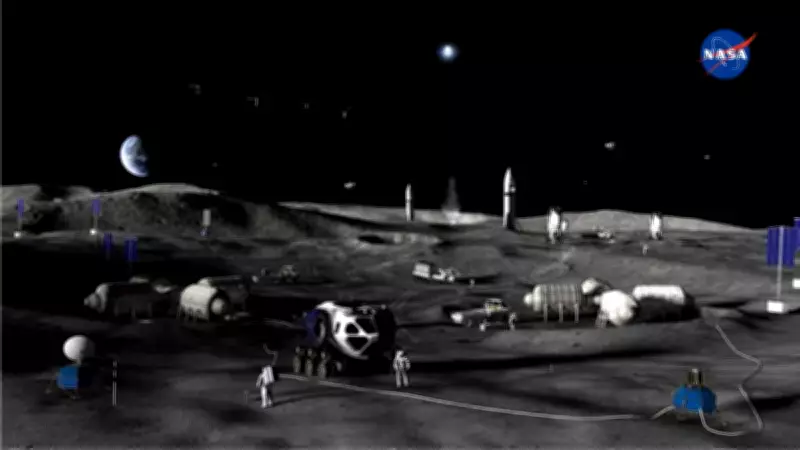
NASA is focusing on creating permanent human settlements on the Moon as a critical step toward deeper space missions. These lunar colonies aim to serve as research hubs and testing grounds for technologies essential for long-duration space travel. By leveraging the Moon's resources, such as water ice for life support and fuel, NASA plans to reduce dependency on Earth and enable more sustainable exploration efforts.
Mars Drones: Pioneering Robotic Exploration
In parallel, NASA is developing sophisticated drones for Mars exploration. These drones are designed to navigate the Martian terrain, collect scientific data, and assist in identifying potential landing sites for future human missions. Equipped with cutting-edge sensors and autonomous capabilities, they will enhance our understanding of Mars' geology and atmosphere, paving the way for eventual human colonization.

Technological Innovations Driving the Vision
The success of these initiatives hinges on several key technologies:
- Advanced Propulsion Systems: To reduce travel time and increase payload capacity for missions to the Moon and Mars.
- Life Support Systems: Ensuring the health and safety of astronauts in harsh extraterrestrial environments.
- Robotic Autonomy: Enabling drones and rovers to operate independently in remote locations with minimal human intervention.
Timeline and Strategic Goals
NASA's roadmap outlines a phased approach, with initial lunar missions planned for the late 2020s, followed by the establishment of colonies in the 2030s. Mars drone deployments are slated to begin in the early 2030s, aligning with broader goals of sending humans to the Red Planet by the 2040s. This timeline reflects a commitment to incremental progress and risk mitigation in space exploration.
Implications for Global Space Collaboration
NASA's vision emphasizes international partnerships, inviting collaboration with space agencies worldwide. By sharing resources and expertise, these efforts aim to accelerate technological advancements and foster a cooperative approach to exploring the solar system. This global engagement is seen as vital for addressing the complex challenges of long-term space habitation and exploration.
In summary, NASA's big vision for future space exploration represents a bold step toward expanding human presence beyond Earth. With plans for Moon colonies and Mars drones, the agency is setting the stage for a new era of discovery and innovation in the cosmos.