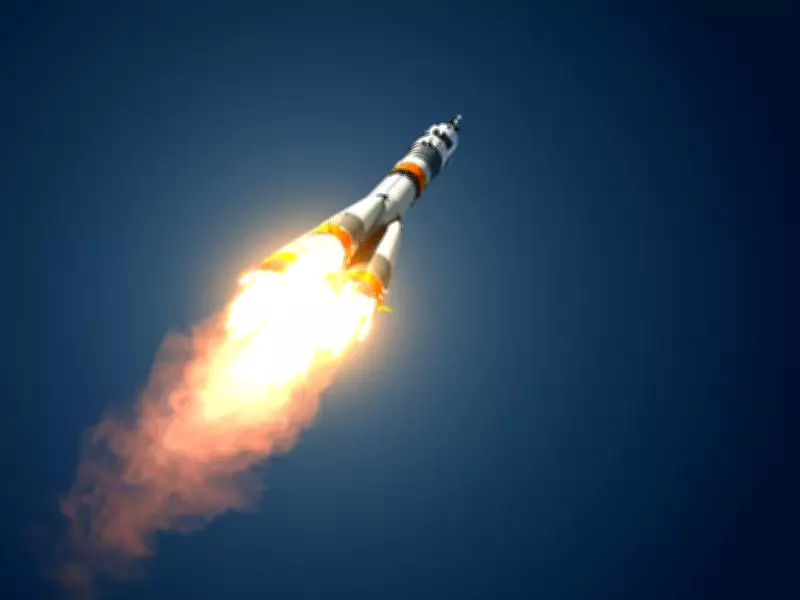
Hyderabad-based Skyroot Aerospace on Thursday announced a launch window between July 12 and August 4 for the maiden test flight of its Vikram-1 launch vehicle, India's first privately developed orbital-class rocket. The final lift-off date will depend on the completion of assembly and testing operations at the launch site in the Satish Dhawan Space Centre, Sriharikota, as well as weather, safety, and range clearance.
Mission Objectives and Data Collection
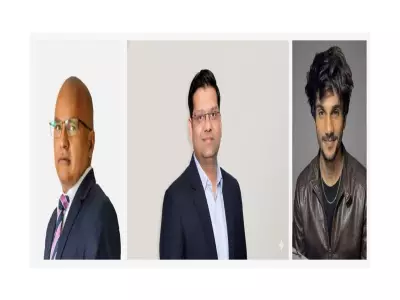
"We want to understand how the vehicle performs from lift-off through every phase of ascent. This data cannot be fully replicated through ground testing," said Pawan Kumar Chandana, co-founder and CEO of Skyroot Aerospace. "It will help us validate our designs and inform subsequent vehicle development as we build a reliable, high-cadence commercial launch programme."
The mission, named "Agaman," will gather critical data across propulsion, stage separation, guidance, navigation, control, and overall vehicle performance. According to the company, the flight will test the integrated performance of all systems in a real space environment.

Vikram-1 Technical Specifications
Vikram-1 is a seven-storey-tall, multi-stage orbital launch vehicle built with an all-carbon composite structure. It is powered by in-house developed propulsion systems, including 3D-printed engines and high-thrust solid-fuel rocket boosters. Designed to carry small satellites weighing up to 350 kg to low Earth orbit (LEO), the maiden mission will target an orbit at an altitude of 450 km with a 60-degree orbital inclination.
Second Mission for Skyroot
The launch will mark Skyroot's second mission following the successful suborbital flight of Vikram-S, the first private rocket to reach space from Indian soil, on November 18, 2022. Naga Bharath Daka, co-founder and COO of Skyroot Aerospace, said, "With Vikram-S in 2022, we validated the foundation of our technology stack; with Vikram-1, we take our biggest step yet, toward a reliable, high-cadence launch programme built in India, for India and the world. This mission is designed as both a technology demonstration and a learning mission."