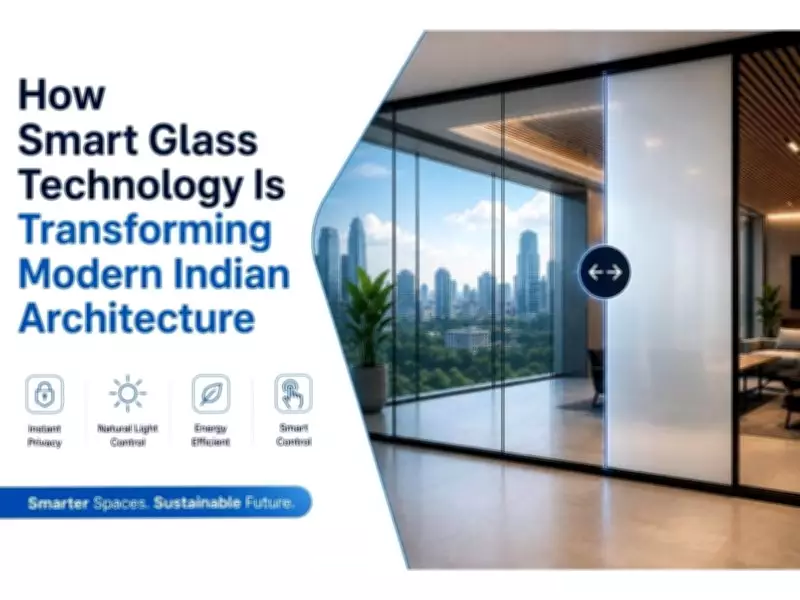
Smart glass technology is rapidly transforming modern Indian architecture, offering innovative solutions that enhance energy efficiency, occupant comfort, and aesthetic appeal. This advanced glazing material can change its light transmission properties in response to environmental conditions or user preferences, reducing the need for artificial lighting and air conditioning.
Energy Efficiency and Sustainability
One of the most significant benefits of smart glass is its ability to reduce energy consumption in buildings. By dynamically controlling solar heat gain and glare, smart glass minimizes the load on HVAC systems, leading to substantial energy savings. In a country like India, where cooling demands are high, this technology can contribute to more sustainable construction practices and lower carbon footprints.
Types of Smart Glass Used in India
Several types of smart glass are gaining popularity in the Indian market. Electrochromic glass, which changes tint with a small electric voltage, is widely used in commercial buildings and luxury residences. Thermochromic glass responds to temperature changes, while photochromic glass reacts to light intensity. Each type offers unique advantages for different climatic conditions and building orientations.

Enhancing Occupant Comfort and Productivity
Smart glass not only saves energy but also improves indoor comfort. By reducing glare and maintaining consistent natural light levels, it creates a more pleasant environment for occupants. Studies have shown that access to natural light and views can boost productivity and well-being, making smart glass an attractive feature for offices and educational institutions.
Architectural Aesthetics and Design Flexibility
Architects in India are embracing smart glass for its design versatility. The technology allows for large glass facades without compromising on thermal performance, enabling modern, transparent designs that were previously challenging in India's hot climate. Smart glass can be integrated into windows, skylights, and partitions, offering seamless control over light and privacy.
Challenges and Adoption in India
Despite its benefits, smart glass adoption in India faces challenges such as high initial costs and lack of awareness among builders and consumers. However, as manufacturing scales up and prices become more competitive, the technology is expected to become more accessible. Government initiatives promoting green buildings and energy efficiency are also driving interest in smart glass solutions.
Future Prospects
The future of smart glass in Indian architecture looks promising. With ongoing research into more affordable and durable materials, and increasing demand for sustainable buildings, smart glass is poised to become a standard feature in modern construction. As India continues to urbanize, integrating such technologies will be crucial for creating resilient and efficient built environments.