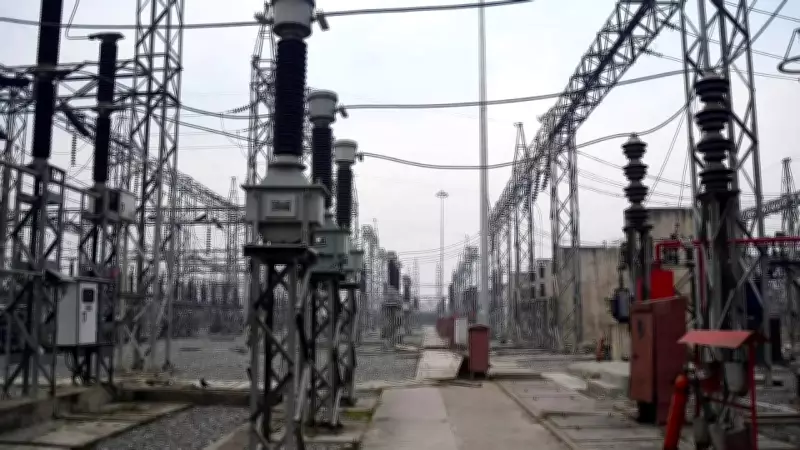
The Uttar Pradesh Power Corporation Limited (UPPCL) has imposed a 10 per cent fuel and power purchase adjustment surcharge (FPPAS) on electricity consumers for the month of June. The surcharge is based on the fuel and power purchase costs incurred in March 2026 and is expected to generate approximately Rs 1,610.57 crore from consumers across the state.
Details of the Surcharge
According to a UPPCL order issued on Friday, the calculated FPPAS for March 2026 stood at 20.61 per cent. However, as per the regulations of the Uttar Pradesh Electricity Regulatory Commission (UPERC), the surcharge recoverable in a single month is capped at 10 per cent. This capped amount will be levied through the June electricity bills. The order further indicates that the remaining unrecovered amount may be adjusted in subsequent months.
Consumer Response and Allegations
Reacting sharply to the development, Avadhesh Kumar Verma, Chairman of the Uttar Pradesh Rajya Vidyut Upbhokta Parishad and a member of the State Advisory Committee, alleged that consumers were being unfairly burdened at a time when they were already grappling with inflation, rising fuel prices, and power supply issues. He claimed that nearly Rs 1,400 crore in old dues from the past two years had been included in the surcharge calculations, thereby inflating the amount to be recovered from consumers.

Verma further alleged that while the UPERC had approved a power purchase cost of Rs 4.94 per unit in its tariff order, UPPCL showed an actual purchase cost of about Rs 5.86 per unit for March 2026. This discrepancy, he argued, resulted in an additional burden of around Rs 1,610 crore on consumers. He demanded an independent investigation into the circumstances under which expensive power was procured and questioned the purchase of electricity from private power producers at higher rates.
Demand for Regulatory Action
The consumer body has also sought amendments from UPERC in the fuel surcharge regulations and urged an immediate halt on further recoveries until a detailed investigation is completed. The organization emphasized the need for transparency and fairness in the recovery process.