

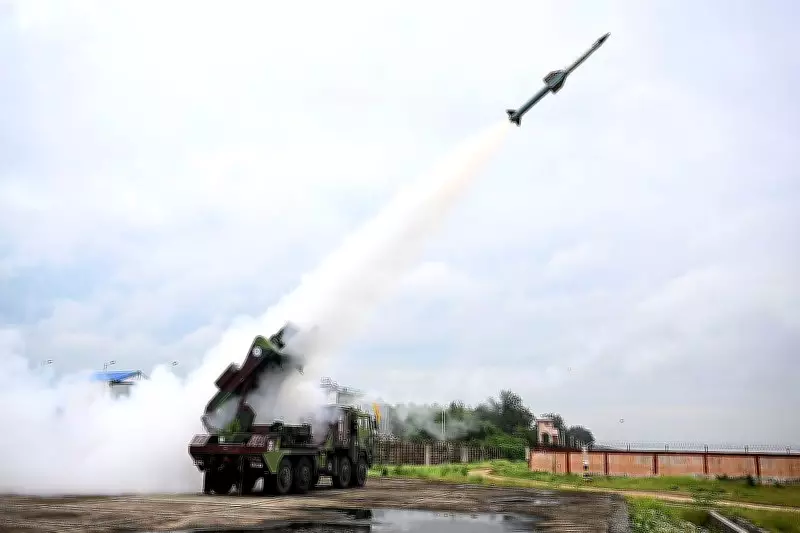
A year after the launch of Operation Sindoor, the Integrated Air Command and Control System (IACCS) of the Indian Air Force (IAF) has witnessed a significant acceleration in its modernization. The system, which serves as the backbone of India's air defense network, is being upgraded to enhance its capabilities in detection, tracking, and engagement of aerial threats.
Background of Operation Sindoor
Operation Sindoor was a major military exercise conducted by the IAF to test the readiness and integration of its air defense systems. The exercise highlighted the need for a more robust and responsive command and control network. In response, the IAF initiated a comprehensive upgrade of the IACCS, which has now been expedited.
Key Modernization Efforts
The modernization includes the integration of advanced radar systems, data links, and command centers. The IACCS is being equipped with state-of-the-art software-defined radios and secure communication networks to ensure seamless data sharing among various air defense units. Additionally, the system is being enhanced with artificial intelligence and machine learning algorithms to improve threat assessment and response times.

- Radar Integration: New generation radars with longer detection ranges and better clutter rejection are being integrated into the IACCS network.
- Data Link Enhancement: High-speed data links are being established to connect all air defense assets, including fighter aircraft, surface-to-air missile systems, and ground-based radars.
- Command Center Upgrades: The command and control centers are being modernized with advanced display systems and decision support tools.
Impact on Air Defense Capabilities
The accelerated modernization is expected to significantly improve the IAF's ability to detect and respond to aerial threats. The IACCS will provide a comprehensive picture of the airspace, enabling faster and more coordinated responses. This is crucial in the context of evolving regional security challenges.
Officials have stated that the upgraded IACCS will be fully operational within the next two years. The system will also feature enhanced cybersecurity measures to protect against potential cyber threats. The modernization is part of a broader effort to strengthen India's air defense infrastructure.
Challenges and Future Plans
Despite the progress, there are challenges in integrating legacy systems with new technologies. The IAF is working closely with defense public sector undertakings and private industry to overcome these hurdles. Future plans include the incorporation of space-based sensors and unmanned aerial vehicles into the IACCS network.
The accelerated modernization of the IACCS underscores India's commitment to maintaining a credible air defense posture. As regional security dynamics evolve, the IAF's efforts to enhance its command and control capabilities will play a critical role in safeguarding the nation's sovereignty.






