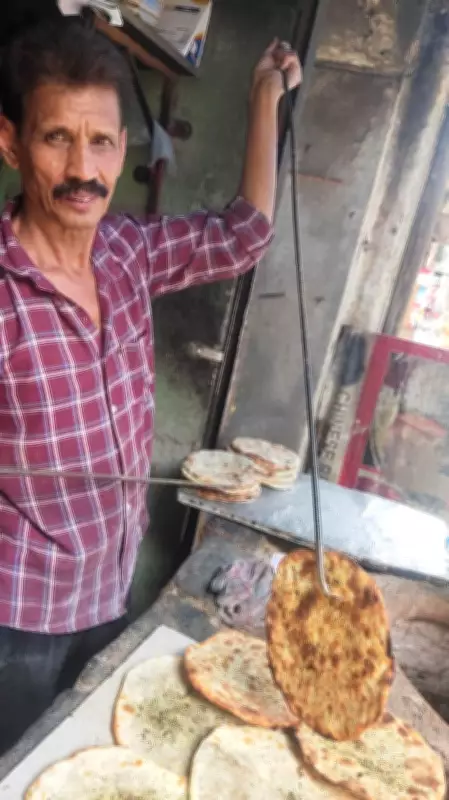
GI Tag Pursuit Unveils Kulcha's Royal and Culinary Legacy
The Punjab Government's push for a Geographical Indication (GI) tag for the Amritsari Kulcha has brought to light fascinating historical accounts of the beloved stuffed bread. Historians and culinary experts trace its origins to the Mughal era, when a royal cook reportedly served a stuffed version of plain leavened bread filled with seasonal vegetables to Emperor Shah Jahan. The emperor became so fond of the dish that it became a staple of his breakfast table.
Connection to Hyderabad's Asaf Jahi Dynasty
Another intriguing chapter links the kulcha to the erstwhile Asaf Jahi dynasty of Hyderabad. According to legend, Mir Qamruddin, Nizam-ul-Mulk, the founder of the dynasty, was so impressed after being offered kulchas by Sufi saint Hazrat Nizamuddin Aurangabadi that he adopted the bread as an emblem on the princely state's flag. Whether fact or folklore, the tale underscores the kulcha's extraordinary appeal beyond Punjab.
French Influence on Flaky Layers
Culinary historians also highlight a lesser-known French influence on the kulcha's evolution. French cooks employed by British officers in pre-Partition Amritsar are believed to have introduced the technique of creating multiple flaky layers in bread. Local bakers adapted and refined this method, contributing to the kulcha's signature crisp texture.

Kulcha as Everyday Breakfast in Pre-Partition Amritsar
In pre-Partition Amritsar, the kulcha was not just a delicacy but a common breakfast for many households. Octogenarian Gurdial Kaur recalled, "There was a time when people rarely made chapatis at home. Most families preferred tandoori rotis from neighbourhood tandoors and community tandoors were a common feature in localities."
Modern-Day Kulcha Culture
Today, kulcha outlets dot virtually every corner of Amritsar, from shops bearing names like Kulcha Land, Kulcha Hut, and Kulche Wala to countless unnamed roadside eateries. For tourists from across India and abroad, the crisp, golden kulcha paired with spicy chickpeas and a tall glass of lassi remains as integral to the city's identity as the Golden Temple.