

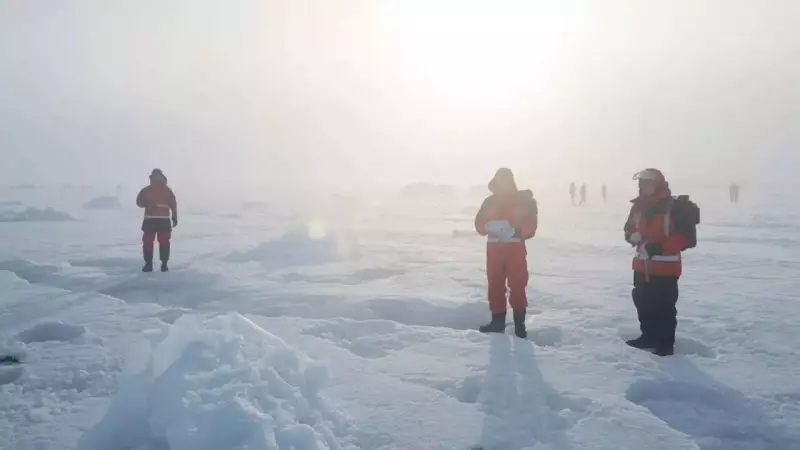
Antarctica: The Frozen Continent of Scientific Discovery
When people hear the phrase "Continent of Science," they might imagine regions bustling with universities and technological hubs. However, within geographical and scientific circles, this prestigious title is uniquely bestowed upon Antarctica. This designation doesn't stem from permanent human habitation but rather from the extraordinary scientific activities conducted in this remote, frozen landscape.
The Extreme Laboratory of Earth
Antarctica boasts some of Earth's most severe environmental conditions, earning recognition as the coldest, driest, and windiest continent. Paradoxically, these very extremes transform Antarctica into one of our planet's most valuable scientific locations. Researchers from around the globe converge here to conduct groundbreaking studies across multiple disciplines.
The continent serves as a natural laboratory for numerous scientific fields including:

- Climatology - tracking atmospheric changes and climate patterns
- Astronomy - searching for clues about our solar system
- Biology - studying unique ecosystems adapted to extreme conditions
- Glaciology - examining ice formations and their historical records
NASA's Earthly Space Analog
For NASA, Antarctica represents more than just a research site - it serves as a terrestrial equivalent to space environments. The continent offers several unique advantages for space-related research:
- Meteorite Recovery: The pristine white ice makes meteorites highly visible and well-preserved, creating ideal conditions for extraterrestrial material collection.
- Mars Simulation: Antarctica's cold, dry climate closely resembles Martian conditions, making it perfect for testing equipment and robotic systems destined for space missions.
- Human Adaptation Studies: Researchers examine how humans cope with extreme isolation during long, sunless winters, providing insights into nutritional challenges and vitamin deficiencies that astronauts might face during extended space missions.
Scientific Advantages of Antarctica's Isolation
Antarctica's remote location and harsh environment create unparalleled research opportunities:
Ice Core Analysis: Scientists drill deep into ice layers to extract core samples that reveal detailed records of Earth's past climates, offering crucial insights into historical atmospheric conditions.
Minimal Human Impact: The limited human presence means ecosystems and atmospheric conditions remain among the cleanest on our planet, providing baseline data for environmental studies.
Atmospheric Monitoring: Researchers can observe changes in ozone levels and greenhouse gas concentrations with minimal interference from industrial pollution.
Geological Research: The continent's unique position and geological features help scientists understand historical movements of Earth's tectonic plates.
A Continent Governed Differently
Antarctica operates under a unique governance system that distinguishes it from all other continents. The Antarctic Treaty, signed by more than fifty nations, establishes the continent as a zone dedicated to peaceful scientific cooperation. Key provisions include:
- No country claims sovereignty over Antarctic territory
- Military activities are strictly prohibited
- Scientific facilities and discoveries are freely shared among participating nations
- The continent serves as a model for international scientific collaboration
This cooperative framework has transformed Antarctica into a global focal point for scientific discovery, where researchers from diverse nations work together to unravel the mysteries of our planet and beyond.

