

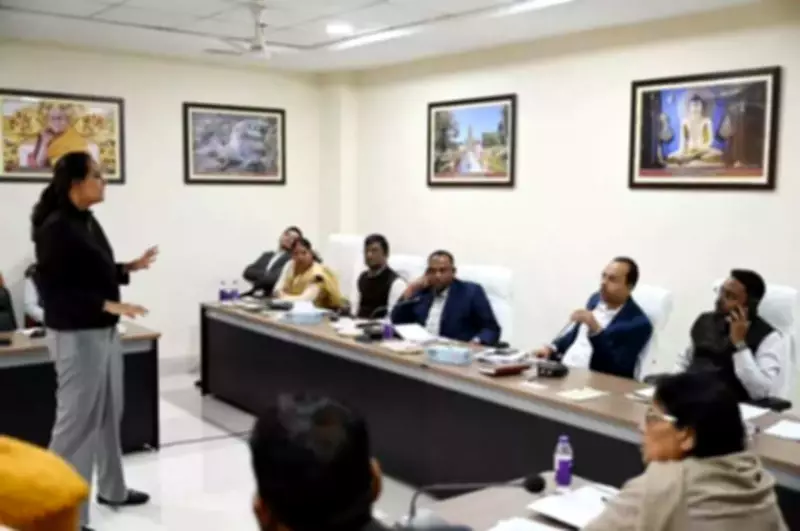
The ambitious plan for the Rs 190-crore Spiritual Awakening Corridor in Bodh Gaya took a significant step forward on Thursday, as key stakeholders engaged in a detailed four-hour discussion to refine its design, features, and anticipated impact. The meeting, held at the Bodh Gaya Temple Management Committee (BTMC) conference hall, brought together district officials, public representatives, BTMC members, hoteliers, guides, and other concerned parties to review and shape this transformative project.
Project Overview and Inspiration
Modeled after the successful Kashi Vishwanath Corridor in Varanasi, the Spiritual Awakening Corridor aims to seamlessly blend spirituality with livelihood opportunities, creating a holistic experience for pilgrims and visitors. The initiative is designed to enhance the Buddhist corridor's ambience, stretching from Gaya Airport to the revered Mahabodhi Temple, while addressing long-standing local issues such as vending, parking, and riverfront development.
Key Features and Infrastructure Plans
During the meeting, participants reviewed a comprehensive presentation outlining the corridor's proposed elements. These include the relocation of approximately 60 households to make way for development, the construction of a 180-shop Birla Market, and dedicated parking spaces for vehicles to alleviate congestion. Additionally, the plan features a 1.5-metre-wide cycle track to improve connectivity across the holy city, along with shaded seating zones, an interpretation centre, and kiosks for aromatherapy to enrich the visitor experience.

Public amenities are a central focus, with proposals for a food court, multiple drinking water points, and clean toilet facilities. The relocation of the existing cloakroom is also part of the design to streamline operations. District Magistrate Shashank Shubhankar, who presided over the meeting, emphasized that the project will ensure the spiritual ambience and Buddhist identity of Bodh Gaya are prominently evident throughout the corridor.
Stakeholder Input and Concerns
Participants at the meeting assured full cooperation to the administration, highlighting a collective commitment to the corridor's success. However, Jai Singh, president of the Bodh Gaya Hotel Association, welcomed the initiative while urging caution against unnecessary displacement. He advocated for an underground market and parking facility to preserve the area's aesthetic, along with widening approach roads for smoother traffic flow and developing dedicated roads for heavy vehicles on both sides of the Niranjana river.
Environmental and Community Benefits
The DM further detailed that the ghats of the Niranjana river will be upgraded as part of the project, benefiting Chhath devotees and enhancing the riverfront. He stressed that proper parking arrangements and disciplined vending are crucial components, ensuring all aspects of public convenience are duly considered. This holistic approach aims to not only boost tourism but also support local livelihoods, making the corridor a model for sustainable spiritual tourism in India.
As discussions concluded, the momentum for the Spiritual Awakening Corridor continues to build, with stakeholders aligned on its potential to transform Bodh Gaya into a world-class pilgrimage destination while respecting its cultural heritage and community needs.






