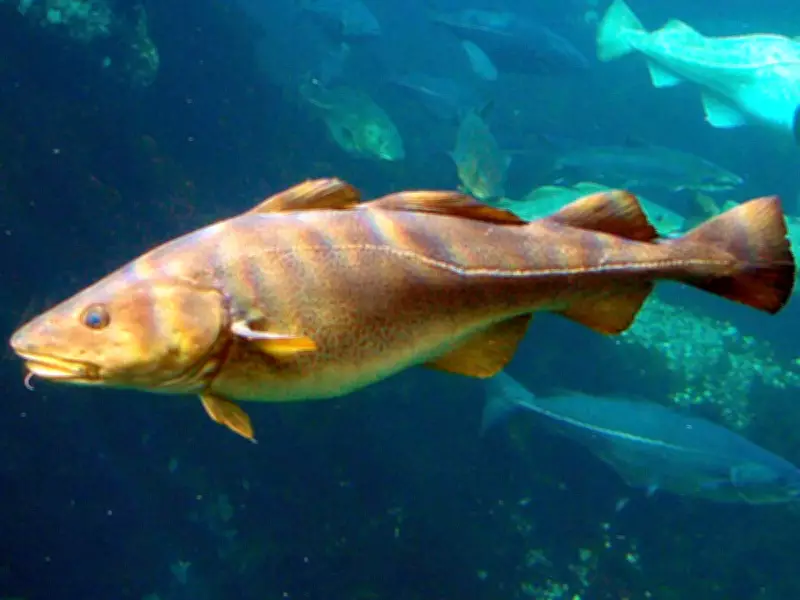
On July 2, 1992, Canada's federal government abruptly shut down the northern cod fishery off Newfoundland's coast, a fish that had anchored the island's economy and culture for nearly 500 years. The closure came virtually overnight, resulting in the loss of some 30,000 jobs. According to Tyler D. Eddy, a fisheries scientist at Memorial University whose 2026 study tracked Newfoundland's ports and catches through 2023, that single announcement reshaped the island's economy and coastal towns for the next three decades.
A Fishery Built on One Fish for 500 Years
In many ways, the history of Newfoundland is the history of the cod fishery. Eddy's research highlights that thousands of little outport settlements sprang up around the island precisely because cod swam close enough to shore that small boats could access them, with communities connected mostly by sea. When the moratorium hit, it didn't just take away a paycheck; it undermined the very reason many of those communities existed in the first place.
The Accidental Replacement: Crab and Shrimp Fill the Gap
Fishers turned to what was still swimming in the area, which turned out to be snow crab and northern shrimp. According to Alannah Wudrick and her colleagues at Memorial University, in their 2024 ecosystem study, shellfish became the dominant biomass in the region from the early 2000s to the mid-2010s as the fishery shifted away from cod. Researcher Charles Mather, who studied the shift in a 2013 paper, described it as a total transformation of how the province made its living from the sea.

The Money Held Steady, the Workforce Didn't
This is the part that makes the story more than just a fish-replaced-fish narrative. One might expect an industry that lost its signature product to cut back everywhere. However, Eddy discovered that the total dollar value of Newfoundland's fishery remained fairly stable between 1998 and 2023, with shellfish comprising the largest share of that value throughout. Instead, everything else around it fell. During that same 25-year span, working fishing ports, vessels, and fishers all declined by over 70 percent. Total catch volume was down 25 percent, and the number of species caught at each port was down a quarter. Fewer harbors, fewer boats, fewer people, but about the same paycheck for the industry as a whole. That is consolidation, not recovery, and it quietly determined which coastal towns kept their docks busy and which ones drained.
Cod Is Legal Again, but It Isn't Really Back
Canada actually lifted its commercial moratorium on northern cod in 2024, allowing a limited catch for the first time in more than 30 years, a detail noted by Wudrick's team. But the comeback is more tentative than it sounds. The small forage fish cod most depend on, capelin, was reduced to about two-thirds of its biomass from the mid-1980s to the mid-2010s and kept declining thereafter, so a full rebound is unlikely anytime soon. The researchers also found that harp seals, a major predator of cod, seem to be further slowing recovery.
Why This Matters on the US Side of the Atlantic
This is not only a Canadian story. In 2024, about 65 percent of its seafood exports, valued at about $890 million, were exported to the United States. That 32-year transition accounts for a large part of the crab legs and shrimp cocktail on American tables. It also offers a view of what can happen to any coastal economy that depends too heavily on one species: jobs can disappear overnight, money can shift elsewhere, and a place can be left with fewer docks, fewer boats, and fewer people calling themselves fishers than it had before.