

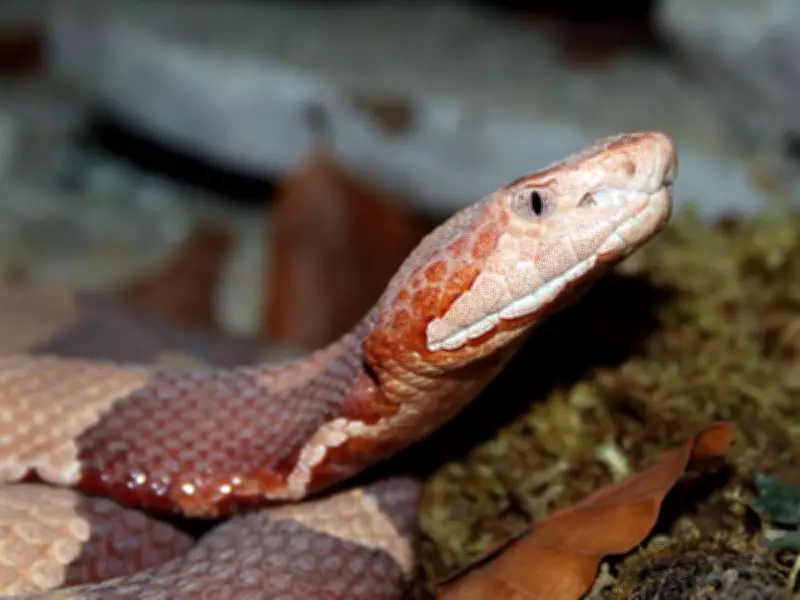
The natural world is usually an enjoyable experience. However, often, nature gets a bit closer than we'd prefer. For many homeowners in the eastern United States, the sight of an unusual hourglass pattern encased in autumn leaves falling to the ground could be cause for worry. Copperhead snakes are among the most encountered venomous reptiles in North America, yet they are subjects of legends and unfounded fear. Learning about the life, ecology, and behavior of these copper-hued creatures can turn a time of anxiety into one of respect.
A Master of Camouflage and Social Living
The copperhead, scientifically known as Agkistrodon contortrix, is an expert in the "hidden out of sight" lifestyle. They typically range from two to three feet in length and are easy to recognize by their large bodies and triangular heads. The most noticeable feature of these snakes is the dark-colored, chestnut-brown crossbands that resemble hourglasses against a pinkish-brown background. This pattern serves a crucial purpose: it breaks up the snake's outline, allowing it to completely disappear against the forest floor, which is covered with dried leaves and other debris.
Contrary to many snake species that prefer solitude, copperheads can be quite social. They have been known to winter in communal dens, often sharing space with other species such as black rat snakes or timber rattlesnakes. Social interactions also occur during mating season. In spring, males perform an elaborate "dance" to assert dominance—a non-lethal match where they attempt to pin each other to the ground, hoping to win the favor of a female.

Incredibly, the reproductive capabilities of copperheads are intricate. According to studies published in the Biological Journal of the Linnean Society, female copperheads can produce "virgin births," also known as parthenogenesis. This means females can have offspring without a male companion if needed. Additionally, females can store sperm for extended periods and choose the best timing to fertilize their eggs, ensuring the next generation can adapt to changing conditions.
Understanding the Bite and the Venom
The term "venomous" typically triggers a panic response. It is crucial to understand the power of copperheads in context. Although their bite is painful and requires medical attention, it is rarely fatal for healthy adults. Their venom is primarily hemolytic, meaning it breaks down tissues and red blood cells near the bite site. This venom is mostly used for hunting. Copperheads feed on a diverse diet of small prey, including insects like cicadas and smaller birds.
When it comes to human interactions, copperheads are generally timid. They are not aggressive hunters of humans but rather defensive reactors. Most bites occur when a person accidentally steps on a snake or tries to handle one. Because their camouflage is so effective, they tend to rely on remaining perfectly still to avoid detection rather than fleeing. This "freeze" response can lead to accidental encounters in woodpiles or gardens.
An article published in the Journal of Herpetology highlights that copperhead behavior is heavily influenced by their environment and temperature. During the peak of summer, copperheads become nocturnal to escape the scorching heat. In spring and autumn, they are more likely to be active during the day. This shift in activity patterns means gardeners and hikers are more likely to encounter them during the cooler months.
Safety and Coexistence in the Backyard
If you spot a copperhead in your yard, the best option is to leave it alone. They play a vital ecological role by keeping pest and rodent populations under control. If the snake is in a heavily used area, such as near a doorway or porch, contact a professional wildlife relocation service rather than attempting to remove it yourself.
To make your property less attractive to pit vipers, focus on eliminating their hiding spots. Keep your grass mowed short and remove piles of debris, rocks, or wood near your home. Reducing places where snakes can hide or hunt for mice naturally encourages them to seek other, more secluded areas away from your living space.

The most powerful tool to combat anxiety is education. By recognizing their distinctive patterns and understanding their gentle nature, we can coexist with these fascinating reptiles without unnecessary conflict. Acknowledging that they are an essential part of our natural environment helps us appreciate the harmony of our surroundings, even when that balance involves a venomous neighbor.
About the Author: TOI Lifestyle Desk
The TOI Lifestyle Desk is a dynamic team of dedicated journalists who, with unwavering passion and commitment, sift through the pulse of the nation to curate a vibrant tapestry of lifestyle news for The Times of India readers. At the TOI Lifestyle Desk, we go beyond the obvious, delving into the extraordinary. Consider us your lifestyle companion, providing a daily dose of inspiration and information. Whether you're seeking the latest fashion trends, travel escapades, culinary delights, or wellness tips, the TOI Lifestyle Desk is your one-stop destination for an enriching lifestyle experience.





