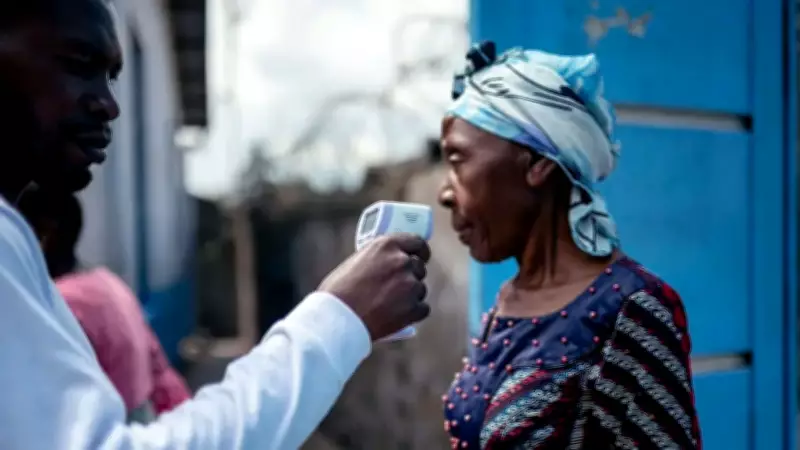
The deadly Ebola outbreak in the Democratic Republic of Congo (DRC) is escalating rapidly, causing global concern due to the lack of an approved vaccine for the specific strain involved. Unlike previous outbreaks, the current one is caused by the Bundibugyo strain, for which no vaccine exists. As per The Guardian, the World Health Organization (WHO) estimates that the most promising vaccine is still six to nine months away, a critical delay as cases and deaths continue to rise.
Ebola Outbreak: What Is Happening?
According to Reuters, the latest Ebola outbreak is centered in eastern DRC, with cases now reaching Uganda. The culprit is the Bundibugyo strain, a rare but dangerous form of Ebola. While the Zaire strain, responsible for the 2014-2016 West African epidemic, has a working vaccine, there is no such luck for Bundibugyo. There is no approved vaccine, no effective treatment, and limited research to rely on. This knowledge gap transforms the outbreak into a global concern.
Currently, there are around 600 suspected cases and at least 139 deaths, but actual numbers could be higher due to patchy testing and conflict zones that are too risky for responders. Doctors believe the virus was spreading quietly for nearly two months before detection. WHO officials suggest a "super-spreader" event, such as a funeral or hospital exposure, likely accelerated transmission. Controlling the spread is challenging due to armed groups, displaced populations crossing borders, and understaffed hospitals. Over 100,000 people have fled since the outbreak began.

Why Would It Take So Long for the Ebola Vaccine?
According to WHO officials, vaccine candidates targeting Bundibugyo are still in experimental stages. Researchers are essentially starting from scratch. The pipeline includes safety checks, lab tests, manufacturing scale-up, and clinical trials with volunteers. Rushing the process risks safety, so it cannot be expedited overnight. Interestingly, one candidate vaccine uses technology similar to the Oxford-AstraZeneca COVID-19 shot. However, because Bundibugyo outbreaks are rare, there is limited data, forcing scientists to build the playbook as they go.
It is important to note that "Ebola" encompasses different virus species. Vaccines effective against Zaire do not protect against Bundibugyo. US CDC officials have clarified that approved vaccines are not expected to work for this strain. Therefore, researchers are racing against both the clock and the virus. Ebola remains one of the deadliest infections, spreading through direct contact with blood, vomit, urine, sweat, or saliva. Symptoms include sudden fever, fatigue, body aches, vomiting, and diarrhea, often leading to internal bleeding and shock. Bundibugyo outbreaks typically kill between 30% and 50% of those infected.
Neighboring Uganda has reported imported cases, but no local spread has been confirmed yet. Public health teams are screening at borders and clinics. Meanwhile, several infected foreign healthcare workers, including an American doctor exposed before the outbreak was identified, have been flown to Europe for treatment.
What Is Ahead?
For now, WHO insists the global risk is still low but acknowledges the outbreak's pace is deeply alarming. Testing backlogs and delayed responses mean officials may be facing a bigger threat than they realize. A vaccine would make a significant difference, but until then, officials rely on traditional public health measures: isolating patients, contact tracing, using protective gear, safe burials, and border checks.