

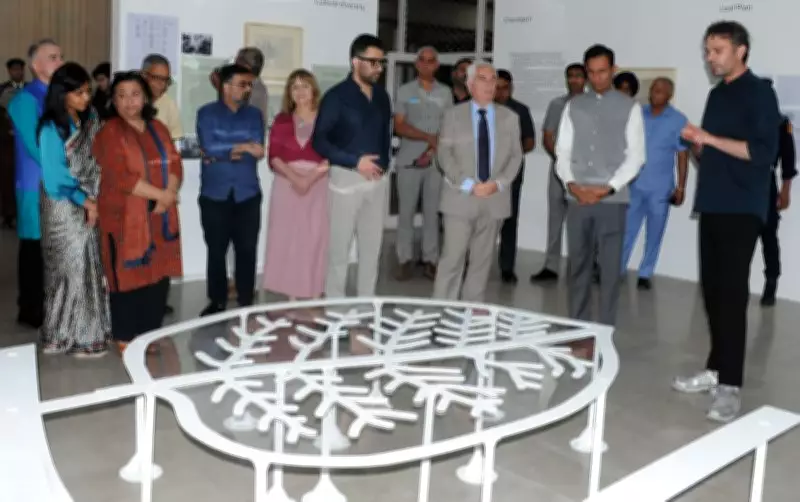
An exhibition currently running in Chandigarh sheds light on the visionary yet unbuilt architectural projects of Maciej Nowicki, a Polish architect who played a pivotal role in the early planning of the city. Titled "Maciej Nowicki: Humanist Modernity and the Unbuilt Chandigarh," the exhibition explores his unique approach that blended modernist principles with a deep humanist sensibility.
Nowicki's Architectural Philosophy
Nowicki, who worked alongside Le Corbusier and others, proposed designs that emphasized community interaction, green spaces, and a harmonious relationship between built forms and nature. His plans for Chandigarh included innovative housing clusters, civic centers, and cultural institutions that were never realized due to his untimely death in a plane crash in 1950.
Exhibition Highlights
The exhibition features original drawings, sketches, and models from Nowicki's archives, many of which are being displayed for the first time. Curated by architectural historians, it examines how his ideas could have shaped a more inclusive and people-centric urban landscape. Visitors can see his proposals for the Capitol Complex, which differed significantly from Le Corbusier's eventual design.

- Original sketches of Nowicki's unbuilt projects
- Interactive models demonstrating his urban planning concepts
- Comparative analysis with Le Corbusier's realized work
Relevance Today
The exhibition also discusses the relevance of Nowicki's ideas in contemporary urban planning, particularly in terms of sustainable development and community-focused design. It encourages a reevaluation of modernist architecture's potential to address social needs.
Organizers hope the exhibition will inspire architects and city planners to reconsider the human dimension in urban design. The show runs for two months at the Chandigarh Architecture Museum and includes guided tours and lectures.






