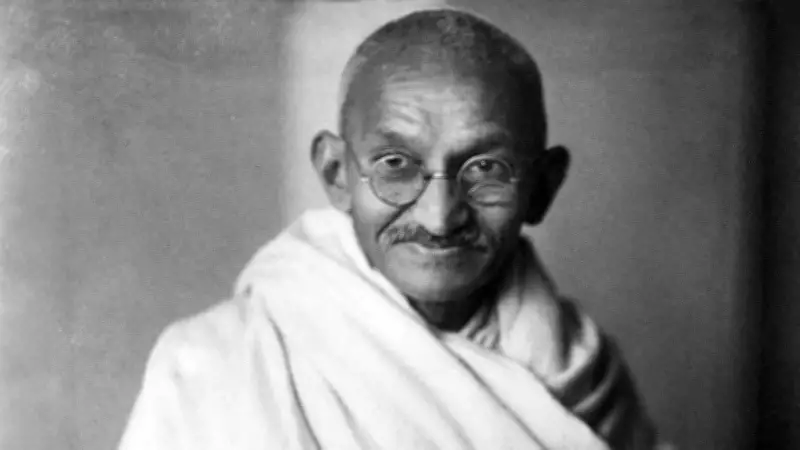
Throughout history, societies have often been judged by their achievements in science, economics, and governance. However, some thinkers have proposed alternative measures of true progress. One such perspective comes from Mahatma Gandhi, whose words continue to resonate. His famous quote, "The greatness of a nation and its moral progress can be judged by the way its animals are treated," encourages reflection on kindness and ethical conduct.
This idea has gained renewed importance in contemporary discussions about sustainability, environmental protection, and ethics. The treatment of animals is no longer seen as an isolated issue but as part of a larger system reflecting human values. How a society treats animals—from pets to wildlife and farm animals—often reveals its awareness, compassion, and commitment to humane practices. This quote prompts individuals to consider how their daily actions fit into a broader ethical framework.
Understanding the Meaning Behind the Quote
Mahatma Gandhi's quote offers a simple yet profound insight: a nation's progress is not solely measured by material achievements but also by its treatment of the voiceless. In many contexts, ensuring the safety, health, and well-being of animals is a moral imperative. A society that values all forms of life demonstrates care and respect, while neglect or cruelty indicates a lack of responsibility. This perspective links moral behavior to everyday actions, making it relevant across cultures and eras.

A Reflection of Moral Values in Society
The treatment of animals often mirrors a community's ethical framework. Laws, policies, and social behaviors collectively shape how animals are treated. Many countries have enacted legislation to protect animals from abuse, covering shelter, food, medical care, and humane handling. These measures reflect an effort to integrate compassion into development. Gandhi's quote underscores that moral progress extends beyond human welfare to encompass care for other living beings.
Animal Welfare and Modern Awareness
In recent years, awareness of animal welfare has grown significantly. Global campaigns, educational programs, and public discussions have highlighted issues such as responsible pet ownership, wildlife conservation, and ethical farming. People worldwide are working to help injured animals, prevent species extinction, and promote humane treatment. This shift aligns with Gandhi's vision that progress involves compassion for all creatures.
The Link Between Animals and the Environment
Animals play a crucial role in maintaining ecosystem balance. They contribute to pollination, population control, and the health of natural systems. When animals are harmed or their habitats destroyed, entire ecosystems suffer, leading to biodiversity loss and environmental degradation. Protecting animals thus benefits the environment, reinforcing the connection between moral values and ecological awareness.
Everyday Actions That Reflect Compassion
Individual daily actions also impact animal welfare. Simple gestures like feeding stray animals, adopting pets responsibly, and avoiding products that harm wildlife can make a difference. Schools and community groups often promote such activities to instill compassion from an early age. Gandhi's message is evident both in policy and personal conduct.
Historical Context of the Message
Gandhi was known for his strong belief in non-violence and kindness, extending to all living beings. He emphasized avoiding unnecessary harm and caring for animals, rooted in the idea of interconnectedness of life. This quote encapsulates his broader philosophy that moral progress requires recognizing life as a whole.
Legal Frameworks and Global Efforts
Many countries have enacted laws to protect animals from cruelty, covering transportation, slaughter, wildlife conservation, and research. International organizations also promote awareness and set standards through agreements and regulations. These efforts reflect global consensus with Gandhi's principle.

Challenges That Remain
Despite progress, challenges persist. Animal abuse, illegal hunting, and habitat loss continue in many regions. Urbanization and industrial activities sometimes lead to human-animal conflicts. Addressing these issues requires collaborative policy changes, education, and community engagement. Gandhi's quote reminds us that moral progress is an ongoing endeavor.
Other Famous Quotes by Mahatma Gandhi
- "Be the change that you wish to see in the world."
- "An eye for an eye will only make the whole world blind."
- "The future depends on what you do today."
- "In a gentle way, you can shake the world."
- "Where there is love there is life."
Why the Quote Remains Relevant Today
The message endures because it addresses a universal truth. As societies evolve, balancing progress with compassion becomes increasingly important. Issues like climate change, biodiversity loss, and sustainability have highlighted the role of animals in our world. This quote simplifies complex topics by focusing on ethical considerations. It encourages individuals and organizations to reflect on their impact on other living beings.
A Broader View of Progress
Progress is often measured by economic indicators, technological advancements, and infrastructure development. While important, these metrics do not fully capture moral growth. Gandhi's quote offers an alternative perspective: true progress involves responsibility, empathy, and respect for life.
About the Author
TOI World Desk: At TOI World Desk, our dedicated team of seasoned journalists and passionate writers tirelessly sifts through the vast tapestry of global events to bring you the latest news and diverse perspectives round the clock. With an unwavering commitment to accuracy, depth, and timeliness, we strive to keep you informed about the ever-evolving world, delivering a nuanced understanding of international affairs to our readers. Join us on a journey across continents as we unravel the stories that shape our interconnected world.