

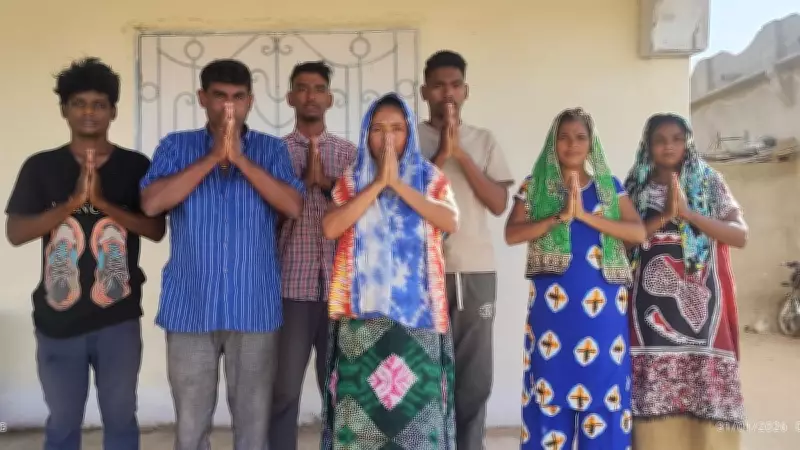
Karnataka's Hakki-Pikki Community Confronts Legal Crisis in African Nation
The Hakki-Pikki community, a traditional nomadic group hailing from Davangere in Karnataka, is currently embroiled in a distressing legal situation in an African country. According to recent reports, community members are facing the threat of jail time, which has raised significant concerns among their representatives and local authorities.
Annual Herbal Medicine Trade Under Scrutiny
In an exclusive conversation with DH, R Puneeth Kumar, the President of the Karnataka Hakki-Pikki Budakattu Sanghatane, provided crucial insights into this alarming development. He explained that people from the Hakki-Pikki community have been traveling to various African countries every year with valid visas to engage in the sale of herbal medicines. This practice has been a longstanding tradition for the community, serving as a vital source of livelihood and cultural exchange.
The community's herbal medicine trade is deeply rooted in their indigenous knowledge and has been passed down through generations. These traditional remedies are often sought after in African markets, where natural and herbal treatments hold significant cultural and medicinal value. However, the current legal threats suggest a potential clash between local regulations and the community's customary practices.

Valid Visas and Legal Complications
Despite possessing valid visas for their travels, the Hakki-Pikki community members now find themselves at risk of imprisonment. This situation highlights the complexities of international trade, especially when it involves traditional goods and services that may not always align with modern regulatory frameworks.
The exact nature of the legal charges or the specific African country involved has not been disclosed in the initial reports, but the implications are severe. Community leaders are likely working to gather more information and seek diplomatic or legal assistance to resolve the crisis.
Broader Implications for Indigenous Communities
This incident sheds light on the challenges faced by indigenous and nomadic communities in a globalized world. The Hakki-Pikki community's predicament underscores the need for:
- Enhanced awareness and protection of traditional knowledge systems
- Clearer international guidelines for the trade of herbal and natural products
- Diplomatic support for communities engaged in cross-border cultural exchanges
As the situation unfolds, stakeholders from Karnataka, including government officials and human rights organizations, may need to intervene to ensure the safety and rights of the affected community members. The outcome of this case could set a precedent for how similar issues are handled in the future, impacting not just the Hakki-Pikki community but other indigenous groups worldwide.






