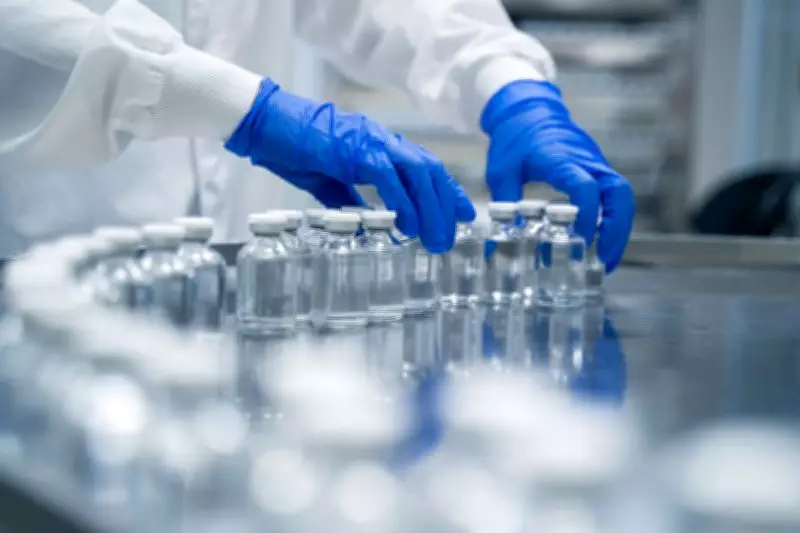
Haryana has unveiled the Haryana Pharmaceutical and Medical Devices Manufacturing Policy-2026, a five-year framework aimed at transforming the state into a global hub for healthcare manufacturing. The policy was notified in the state gazette on May 27 and launched alongside the umbrella 'Make in Haryana Industrial Policy' in Gurugram on June 1.
Targets and Investment Goals
The policy targets at least ₹10,000 crore in investment and the creation of 20,000 direct and indirect jobs. It seeks to leverage Haryana's existing strengths in auto-components and IT to build a competitive healthcare manufacturing ecosystem.
India imports nearly 80% of its medical devices, including high-end diagnostics, imaging systems, and implants, and relies on China for roughly 72% of bulk drugs and intermediates. The policy aims to reduce this dependence by localizing production.

Incentives for Manufacturers
To attract manufacturers, the state offers reimbursement of up to 30% of capital expenditure, capped at ₹200 crore per unit, and operational support of up to 80% for 10 years. Additional incentives include funding for quality certifications, clinical trials, bioequivalence studies, patent commercialization, dedicated parks, relocation grants, and skilling tie-ups.
The policy covers a wide range of medical devices: cardiac stents, heart valves, pacemakers, orthopaedic implants, intra-ocular lenses, syringes, catheters, dialysers, surgical disposables, ECG machines, ventilators, defibrillators, patient monitors, and imaging systems from ultrasound to MRI.
Industry Response
The Association of Indian Medical Device Industry (AiMeD) hailed the policy as possibly the most incentivising and progressive framework announced by any state in India, calling it a potential blueprint for the country's healthcare manufacturing future. AiMeD noted that while India supplies 20% of global generics and 60% of vaccines, it still relies heavily on imports for bulk drugs and high-end medical devices.
Government Vision
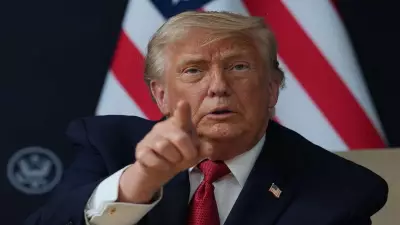
Chief Minister Nayab Singh Saini said, "Make in Haryana is not merely an industrial policy. It is the roadmap for Haryana's next phase of economic growth, built on competitiveness, innovation, sustainability, exports, employment generation and future-ready manufacturing." He invited global investors, stating, "Investing in Haryana means investing in the future."
The policy leaves unspecified where the promised manufacturing parks will come up. The success of Haryana's third leap will depend on how quickly Gurugram's hospitals, labs, and talent feed into production.