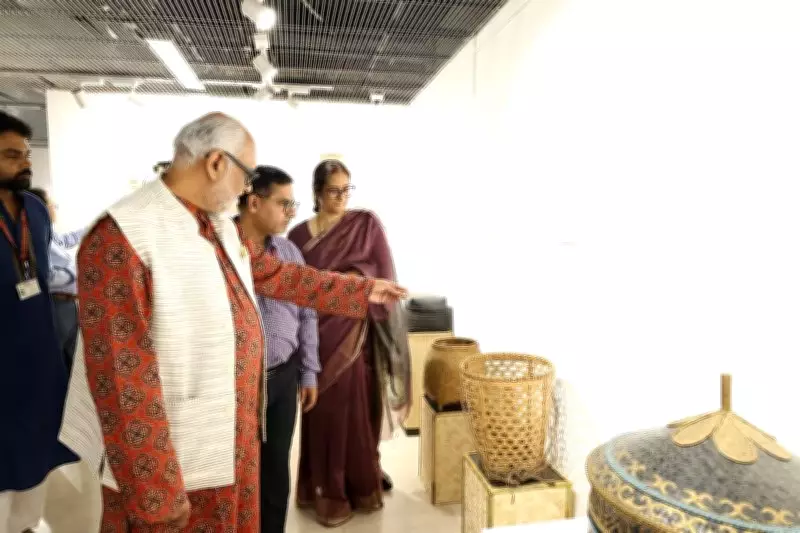
The Indira Gandhi National Centre for the Arts (IGNCA) opened an exhibition on Tuesday titled Living Heritage in Metal, Bamboo and Clay: Traditional Utensils of Northeast India, showcasing a collection of everyday objects that once defined kitchens and communities across the eight northeastern states. The exhibition, held at IGNCA's Darshanam Galleries on Janpath, runs until July 2.
Exhibition Highlights Traditional Craftsmanship
The display features utensils crafted from bamboo, clay, and metal, each reflecting a deep connection to nature and locally sourced materials. These objects, once integral to daily life, are now being replaced by mass-produced alternatives. According to IGNCA, the exhibition aims to preserve and celebrate the knowledge systems behind these traditional crafts.
Padma Shri awardee and social worker Techi Gubin, who inaugurated the exhibition, recalled his childhood when large clay vessels were common and metal utensils symbolized prosperity. He emphasized the need for greater awareness of Northeast India's heritage, suggesting that such traditions should be included in school curricula nationwide.

Sustainability and Cultural Continuity
IGNCA Member Secretary Dr. Sachchidanand Joshi noted that traditional utensils and their names are gradually vanishing from Indian households. He highlighted that earlier generations developed highly evolved systems of cooking and utensil-making rooted in practical wisdom and nutritional understanding. The exhibition arrives amid growing conversations about sustainability, showcasing how northeastern communities used biodegradable materials like bamboo and clay long before eco-friendly lifestyles became mainstream.
Alongside the exhibition, IGNCA released two monographs: Bell-Metal Craft of Assam and Chiteri Art of Bundelkhand, as part of efforts to document and preserve traditional knowledge systems. The exhibition offers visitors a chance to see how ordinary household utensils serve as vessels of memory, identity, and cultural continuity, reminding audiences that some of India's richest stories are hidden in the objects people once used every day.