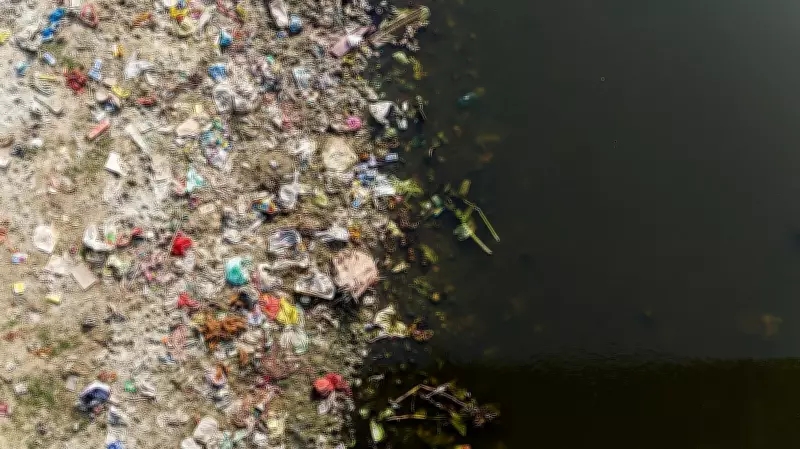
Karnataka now has 14 polluted rivers, up from previous counts, as untreated sewage continues to flow into water bodies across the state. The Karnataka State Pollution Control Board (KSPCB) has identified the Arkavathi river as the most severely polluted among all rivers in Karnataka.
Arkavathi Tops Pollution List
According to KSPCB officials, the Arkavathi river suffers from the highest levels of contamination due to continuous discharge of untreated domestic and industrial sewage. The river, which flows through parts of Bengaluru and Ramanagara districts, has seen a sharp decline in water quality over the past decade.
Untreated Sewage: The Primary Culprit
The KSPCB report highlights that untreated sewage is the main cause of pollution in these rivers. Many urban and semi-urban areas lack adequate sewage treatment infrastructure, leading to direct discharge into water bodies. The board has noted that despite regulations, compliance remains low.

“The situation is alarming. We have repeatedly urged local bodies to set up treatment plants, but progress is slow,” a KSPCB official said.
List of Polluted Rivers
The 14 polluted rivers include major ones like the Cauvery, Tungabhadra, and Krishna, along with smaller rivers such as the Shimsha and Kabini. The KSPCB monitors water quality at multiple points and has found that pollution levels exceed safe limits for human use and aquatic life.
Health and Environmental Impact
Polluted rivers pose serious health risks to communities that depend on them for drinking water, irrigation, and fishing. High levels of biological oxygen demand (BOD) and chemical contaminants have been recorded, indicating severe organic pollution. The KSPCB has warned that continued pollution could lead to outbreaks of waterborne diseases and damage to ecosystems.
Government Response and Challenges
The Karnataka government has launched several initiatives to clean up rivers, including the Namami Ganga-inspired programs and funding for sewage treatment plants. However, implementation hurdles, such as land acquisition and funding delays, have hampered progress. The KSPCB has proposed stricter penalties for industries and local bodies that fail to treat sewage before discharge.
“We need a coordinated effort from all stakeholders, including citizens, to reduce pollution,” the KSPCB official added.
Call for Public Awareness
The KSPCB has urged residents to avoid dumping waste into rivers and to report violations. Community participation is seen as crucial to reversing the trend. The board also plans to expand its monitoring network and publish real-time water quality data to increase transparency.