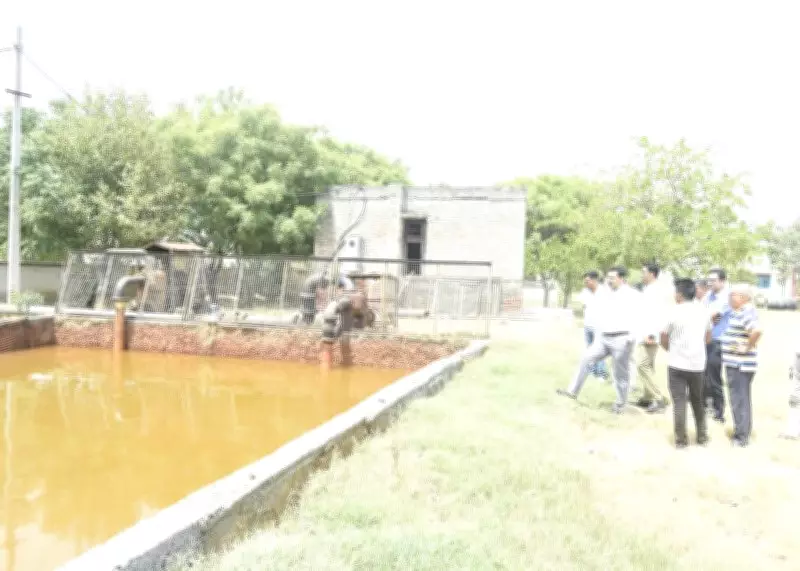
The non-functional common effluent treatment plant (CETP) at the Industrial Development Centre (IDC), Kutana, is set to undergo upgrade and modernisation to improve its operational efficiency and strengthen environmental management in the industrial area.
Proposal Prepared After Residents Flag Discharge
The district administration has prepared a comprehensive proposal for the project. The move comes amid growing concerns over industrial pollution and follows a recent inspection of the facility by Deputy Commissioner Sachin Gupta along with officials of the Haryana State Industrial and Infrastructure Development Corporation (HSIIDC).
The inspection was carried out after former Kutana village sarpanch Balraj Singh Nandal submitted a written complaint to the district authorities alleging that the CETP was not functioning, resulting in discharge of untreated industrial effluents in violation of pollution-control norms.

Allegations of Environmental and Health Risks
“Several factories in the industrial estate are discharging untreated liquid waste directly into drain number 8. At the same time, toxic wastewater has accumulated in the CETP tanks, while sludge is being dumped in the open, creating a foul smell and posing serious environmental risks to nearby areas. The groundwater is also being contaminated due to the unauthorised disposal of sludge and liquid effluents, leading to significant public health concerns,” Nandal alleged.
In his complaint, Nandal referred to proceedings before the National Green Tribunal (NGT) in a 2014 case concerning pollution caused by industrial effluents in the area.
“The CETP was established following NGT directions at a cost of Rs 8 crore to ensure the treatment of industrial wastewater before its discharge. However, the plant has remained largely non-functional for a long time, resulting in renewed concerns over pollution and environmental degradation,” he claimed.
Impact on Villages and Agriculture
The complainant further alleged that villages situated along Drain No. 8, from Sundarpur to Kahanour, were being adversely affected by the contamination.
“Groundwater quality has deteriorated and agricultural fields are being irrigated with polluted water. We have demanded the immediate removal of toxic sludge, restoration of CETP operations, a complete ban on the discharge of untreated effluents into the drain and an inquiry into the plant’s maintenance and functioning,” said Nandal.
Deputy Commissioner’s Directives
During the inspection, the DC reviewed the existing treatment infrastructure and operational status of the facility. The officials informed him that the CETP had an installed treatment capacity of 3 MLD.
Expressing concern over the underutilisation of the available infrastructure, Gupta directed the officials to restore and enhance the plant’s treatment capacity to meet both present and future requirements of the industrial estate.
He instructed the officials to undertake immediate repairs of damaged motors and other critical equipment to ensure the uninterrupted functioning of the CETP. He also ordered the priority removal of accumulated sludge and directed the authorities to strengthen regular maintenance and monitoring mechanisms for the efficient operation of the facility.
Emphasis on Environmental Compliance
The DC emphasised that industrial units must strictly adhere to environmental norms and directed the officials to ensure regular monitoring of effluents quality. He stressed that only properly treated wastewater should be discharged into drains and that the CETP should be operated consistently at optimum efficiency.
Highlighting the importance of effective wastewater treatment infrastructure for sustainable industrial growth, Gupta said the modernisation and capacity enhancement of the CETP would play a crucial role in environmental protection, pollution control and improved regulatory compliance across the industrial estate.
Officials’ Statements
The officials said the proposed upgrading was expected to improve treatment efficiency, address long-pending operational issues and help mitigate pollution concerns raised by the complainant and other residents.

Rajeev Dagar, Senior Manager, HSIIDC, said the CETP had remained non-functional for the past one year due to the discharge of acid by certain industrial units into the plant. “The acid has damaged the plant’s machinery, rendering it incapable of treating the effluents effectively. The CETP will be upgraded soon,” he claimed.
Dinesh Kumar, Regional Officer, Haryana State Pollution Control Board, could not be contacted for his comments.