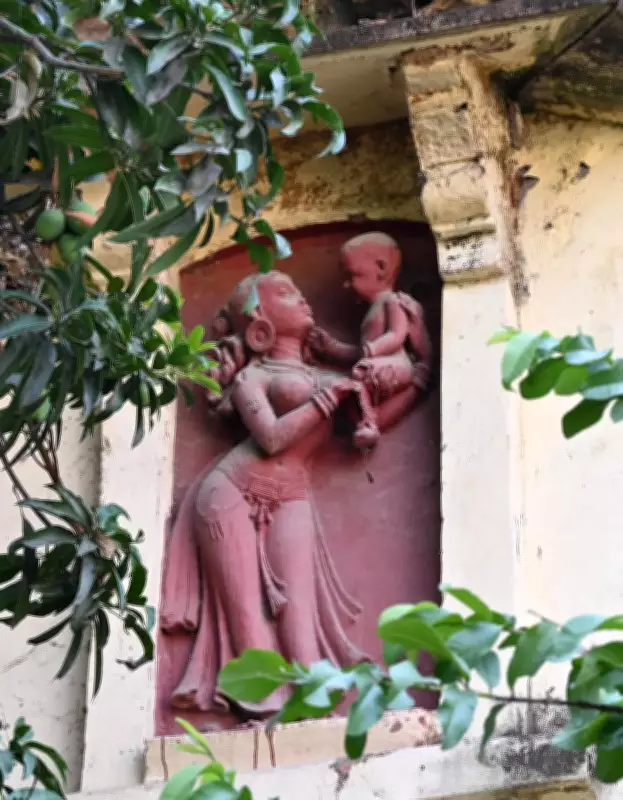
Lucknow University's Arts College is preparing to restore a rare set of "Navras" sculptures by noted artist Shridhar Mahapatra, ending decades of neglect on the campus. The restoration forms part of a Rs 29-crore proposal sent to the Uttar Pradesh government for conservation of artworks and heritage structures at the 115-year-old institution.
The Navras Sculptures
The sculptures depict the nine emotions described in the ancient Sanskrit concept of Navras from the "Natya Shastra", the foundational text on Indian performing arts. These include Shringara, Hasya, Karuna, Raudra, Veera, Bhayanaka, Bibhatsa, Adbhuta and Shantha. According to college principal Ratan Kumar, all nine are represented in sculptural form on the campus.
Artist Background
Kumar said Mahapatra joined the college in the 1930s as an instructor in traditional sculpture. He came from Odisha's renowned Mahapatra family, known for its sculptural heritage, and carried forward that legacy through his work. The principal said the sculptures have remained largely neglected for more than six decades and now require urgent restoration.

Broader Conservation Project
The proposed conservation project also includes works by other prominent artists associated with the college. Sculptures by Avtar Singh Panwar, who taught at the institution, and paintings by Sudhir Ranjan Khastgir are also slated for restoration and touch-up.
Legendary Sculptor
Assistant professor Vibhavari Singh described Mahapatra as one of India's legendary sculptors. Recalling an anecdote often shared in art circles, she said his craftsmanship was considered so lifelike that pigeons were said to gather around one of his sculpted birds placed on a terrace. She noted that several of his works are preserved in museums, including the State Museum at Lucknow Zoo.
Additional Initiatives
The college has also approached Lucknow University's works department for facade lighting for its heritage campus. Alongside physical restoration, the institution has prepared its first coffee-table book documenting its history and architectural legacy.