Nevada's vast deserts are often perceived as barren stretches of sand and rock, but beneath that silent surface lies a world teeming with life. For snake enthusiasts, Nevada is a treasure trove, hosting several rare and secretive snake species that most people never encounter. Among these are the Mojave shovel-nosed snake and the long-nosed snake, creatures superbly adapted to survive in one of North America's harshest climates.
A Desert Full of Hidden Life
Nevada's deserts harbor a surprising variety of wildlife concealed under sand and rocks. These smaller, lesser-known species are experts at staying off the radar, both literally and figuratively. The Mojave shovel-nosed snake, for instance, is tiny and excels at diving underground. Its uniquely shaped nose resembles a shovel, designed for swimming through sand rather than water. According to the Nevada Department of Wildlife, this snake moves through sandy soils, feeding on larvae, small reptiles, and other soft-bodied prey. Its excellent camouflage makes spotting one extremely challenging, even for experienced herpetologists.
The Long-Nosed Snake: Nevada's Elusive Hunter
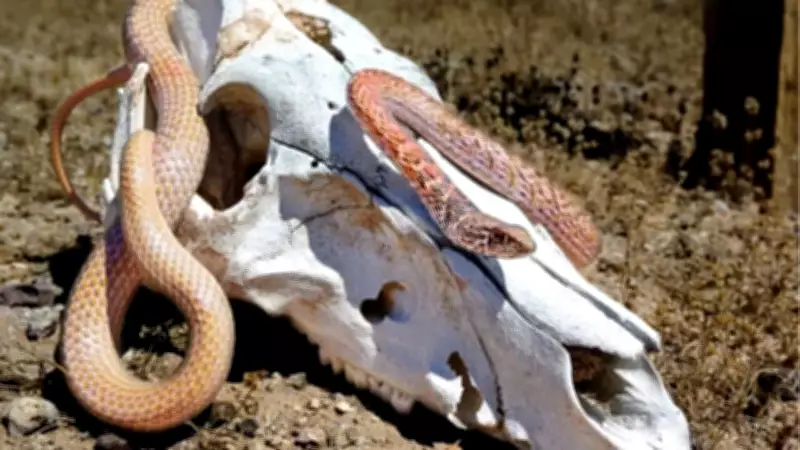
The long-nosed snake can be thought of as a desert ninja—present but incredibly difficult to find. Information from the Outdoor Nevada Association describes it as lean, fast, and primarily active at night. It hunts in the dark for safety and cooler temperatures, preying mostly on lizards and mice. It chooses its battles wisely, avoiding unnecessary risks.

Why Are These Snakes So Hard to Spot?
Many Nevada desert snakes actively avoid human encounters. Whether through nocturnal habits, burrowing deep into the earth, or inhabiting remote areas, they are masters of elusiveness. Unlike rattlesnakes, which often bask in the sun or cross roads, these species rarely cross paths with people.
The Mojave Shovel-Nosed Snake: A Sand Specialist
The Mojave shovel-nosed snake is distributed across large desert zones like the Mojave and parts of the Great Basin. However, even within these regions, finding them is challenging. They prefer sandy dunes, riverbeds, small hills, and specific plant communities, which may be isolated within the broader landscape. Their heat-beating adaptations, such as avoiding daytime heat by staying underground and emerging at night, are crucial for water conservation and predator avoidance in extreme temperature swings.
Ecological Roles of These Snakes
In the desert food web, these snakes play important roles. The Mojave shovel-nosed snake controls insect and small invertebrate populations, while the long-nosed snake regulates lizard and mouse numbers, preventing overpopulation. This balance maintains the harmony of the desert ecosystem.
Challenges in Studying Desert Snakes
Studying these elusive snakes is a difficult task. Much of our knowledge comes from sporadic sightings, museum specimens, and advanced tracking technology. There are few comprehensive studies, but ongoing research is critical as climate change and human development alter their habitats. Even minor changes in land use can disrupt their routines, making conservation of undisturbed desert areas a priority.
Human Impact on Hidden Species
Despite common reptile stereotypes, these desert snakes pose virtually no danger to humans. They prefer fleeing over confrontation. Educating the public about their existence and importance is key to reducing fear and promoting conservation. These snakes are indicators of ecosystem health and testaments to evolutionary adaptation. Protecting them ensures Nevada retains its rich biodiversity, even in seemingly empty desert corners.