

Speed Increase Approved for Banihal-Qazigund Section
The Indian Railways has officially approved an increase in train speed on the Banihal-Qazigund section to 100 kilometres per hour (kmph), according to a statement released on June 27, 2026. This decision is expected to significantly reduce travel time, enhance operational efficiency, and improve passenger convenience on this critical route in Jammu and Kashmir.
Impact on Travel Time and Operations
The move comes as part of ongoing efforts to modernise rail infrastructure in the Kashmir Valley. The Banihal-Qazigund section is a key link in the Kashmir Railway network, connecting the Banihal tunnel to the Kashmir Valley. With the speed increase, trains will be able to cover the distance more quickly, cutting travel times for passengers and improving the overall reliability of services. A senior Northern Railway official stated, "This approval will streamline operations and provide a smoother journey for commuters."
Background and Context
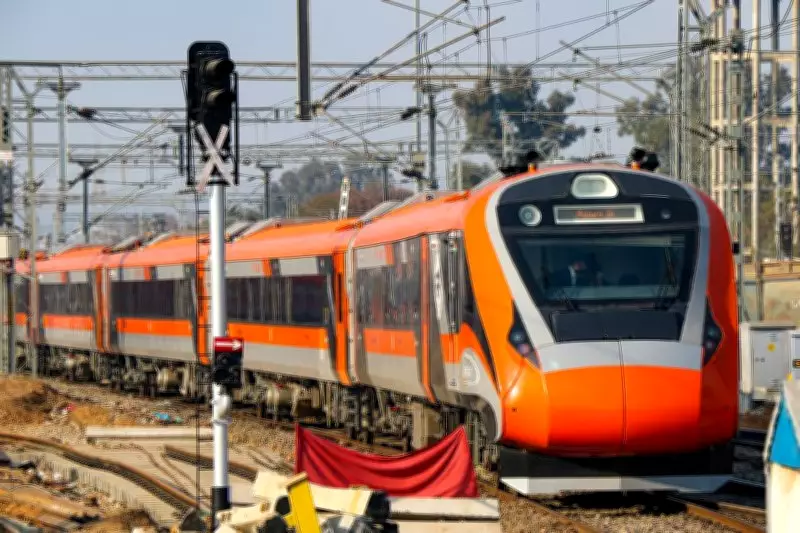
The Banihal-Qazigund section has historically operated at lower speeds due to challenging terrain and tunnel constraints. However, following safety assessments and infrastructure upgrades, the Railways deemed it feasible to raise the permissible speed to 100 kmph. This upgrade is part of a broader initiative to boost socio-economic development in the region by enhancing connectivity. The new speed limit applies to all trains using this section, including the Vande Bharat Express, which already operates on parts of the route.

Benefits for Passengers and Economy
Passengers are expected to benefit from shorter journey times, with the reduction estimated to save several minutes per trip. Improved operational efficiency will also allow for better scheduling and increased train frequency. Local residents and businesses have welcomed the development, noting that faster rail connectivity will support tourism and trade in the Kashmir Valley. The Railways has assured that all safety protocols have been reviewed and that the higher speed will be implemented with enhanced monitoring.






