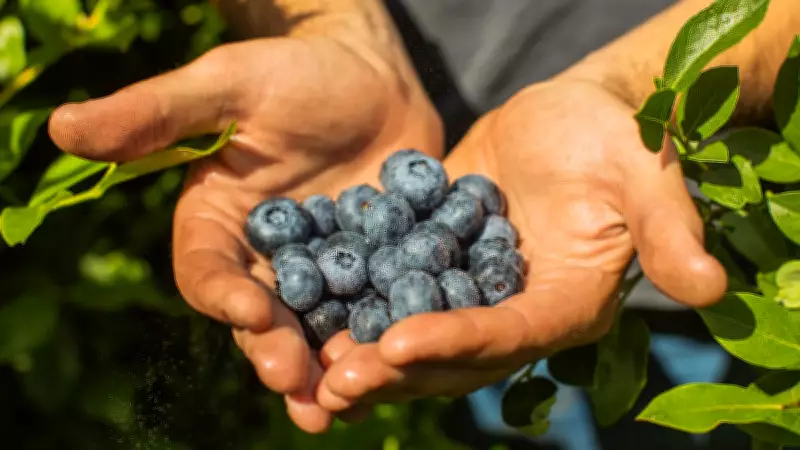
In a remarkable botanical discovery, a rare species of blueberry, Vaccinium bancanum, has been rediscovered in the forests of Arunachal Pradesh after a gap of 188 years. This finding, made by a team of botanists from the Botanical Survey of India (BSI), underscores the rich and often unexplored biodiversity of the northeastern Indian state.
The Rediscovery
The species was first collected in 1835 by British botanist William Griffith during his expedition in the Mishmi Hills. However, it was never formally described until now. The team, led by Dr. A. A. Mao, a scientist at BSI's Arunachal Pradesh Regional Centre, encountered the plant during a field survey in the Lohit district. The plant was found growing on moss-covered rocks and tree trunks at an elevation of around 1,500 meters.
Significance of the Find
Vaccinium bancanum is a member of the Ericaceae family, which includes commercially important berries like cranberries and blueberries. Its rediscovery after nearly two centuries is significant for several reasons. First, it fills a gap in the botanical record, confirming that the species still exists in the wild. Second, it highlights the importance of conserving the fragile ecosystems of the Eastern Himalayas, which are under threat from deforestation and climate change.

Dr. Mao emphasized that the rediscovery was possible due to the dedicated efforts of the BSI team and the use of historical records. "This find is a testament to the rich botanical heritage of Arunachal Pradesh and the need for continued exploration," he said.
Botanical Characteristics
The plant is a small shrub, reaching up to 30 centimeters in height, with elliptic leaves and white, bell-shaped flowers. Its berries are bluish-black and edible, though their taste is yet to be documented. The species is closely related to other Vaccinium species found in the region, but it can be distinguished by its unique leaf and flower morphology.
Conservation Implications
Researchers believe that the rediscovery could have implications for conservation planning. The habitat where the plant was found is part of the Mishmi Hills, a biodiversity hotspot. The team has recommended that the area be given protected status to safeguard not only this species but also other endemic flora and fauna.
Moreover, the find could lead to further research into the plant's potential uses, including its nutritional and medicinal properties. Blueberries are known for their high antioxidant content, and this species might offer similar benefits.
Future Research
The BSI team plans to conduct a detailed study of the population dynamics and genetic diversity of Vaccinium bancanum. They also aim to collaborate with local communities to document traditional knowledge related to the plant. "Local tribes may have known about this berry for generations. Their insights could be invaluable," Dr. Mao added.
This rediscovery serves as a reminder of the many undiscovered or lost species that still await identification in India's remote regions. It also underscores the critical role of botanical surveys in documenting and conserving biodiversity.