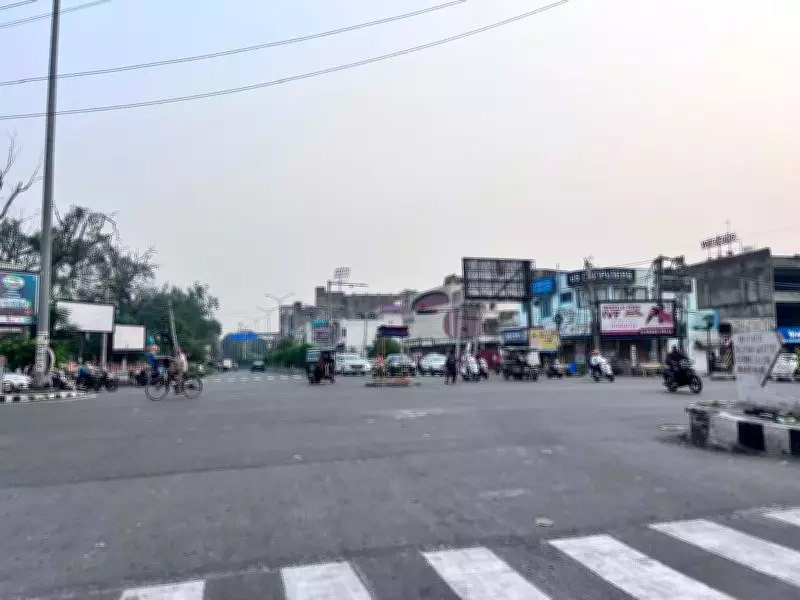
Amid the scorching heatwave in Amritsar, commuters are demanding a reduction in waiting times at traffic signal lights to mitigate health risks and discomfort. The city has been experiencing extreme temperatures, often exceeding 40 degrees Celsius, making prolonged exposure to the sun hazardous.
Health Concerns Amid Rising Temperatures
Residents have expressed concerns about the adverse effects of waiting under the blazing sun, especially for vulnerable groups such as the elderly, children, and those with pre-existing health conditions. Long waits at signals can lead to heat exhaustion, dehydration, and heatstroke. Commuters are urging the traffic police and municipal authorities to adjust signal timings to minimize idle time.
Current Signal Timings Under Scrutiny
Several major intersections in Amritsar, including those on the Grand Trunk Road and near the Golden Temple, have been identified as problematic. Commuters report waiting for up to three minutes during peak hours, which they consider excessive during a heatwave. They suggest implementing shorter cycles or dynamic signaling that responds to real-time traffic flow.

Proposed Solutions
- Dynamic Signal Management: Use sensors to adjust green light duration based on traffic density, reducing unnecessary waits.
- Shorter Fixed Cycles: Temporarily reduce red light durations during extreme heat conditions.
- Shaded Waiting Areas: Install canopies or awnings at pedestrian crossings to provide relief.
Local authorities have acknowledged the issue and are considering measures to address it. A traffic police official stated that they are reviewing signal timings and may implement changes soon. Meanwhile, commuters are advised to carry water and use sun protection while traveling.
The demand highlights the broader challenge of urban infrastructure adapting to climate change. As heatwaves become more frequent, cities need to prioritize public health in traffic management strategies.