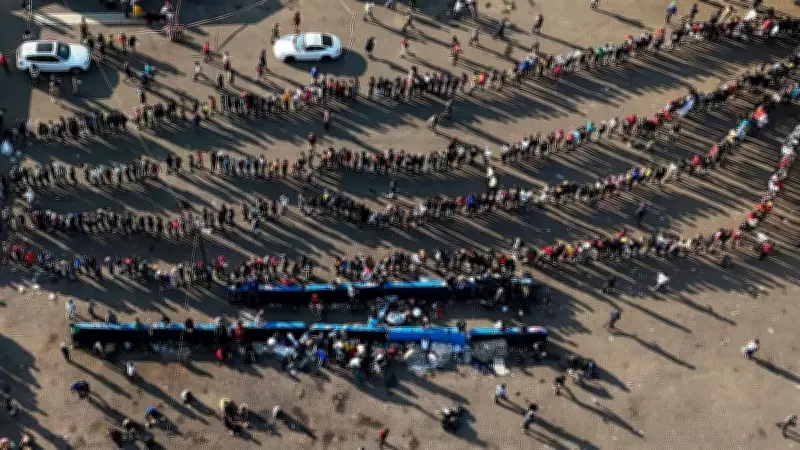
Recent anti-immigrant protests in South Africa have drawn attention to rising xenophobic sentiments. According to an Afrobarometer survey, seven out of 10 South Africans perceive immigrants' economic impact as negative, and an overwhelming 85% believe authorities should reduce the number of refugees entering the country or stop them altogether.
Why Have Marchers Targeted African Migrants?
Protesters have specifically targeted African migrants, accusing them of taking jobs and straining public services. The protests reflect deep-seated frustrations over high unemployment and economic inequality, with many South Africans blaming foreign nationals for their hardships. The government has condemned the violence and called for calm.
How Many South Africans Share Their Views?
The Afrobarometer survey indicates that anti-immigrant views are widespread. The data shows that 70% of South Africans see immigrants as a negative economic force, and 85% support stricter immigration controls. These numbers highlight a broad societal concern, though not all South Africans endorse violent protests.

How Do Anti-Migrant Claims Stack Up Against Reality?
Studies suggest that immigrants often contribute positively to the economy by creating businesses and filling labor gaps. However, misinformation and competition for scarce resources fuel negative perceptions. The gap between public opinion and evidence underscores the need for better communication and policy responses.
So Why the Xenophobia?
Xenophobia in South Africa is driven by a combination of factors: high unemployment (over 30%), inadequate service delivery, and political rhetoric that scapegoats migrants. Historical legacies of apartheid and inequality also play a role. Experts call for addressing root causes and promoting social cohesion to curb violence.