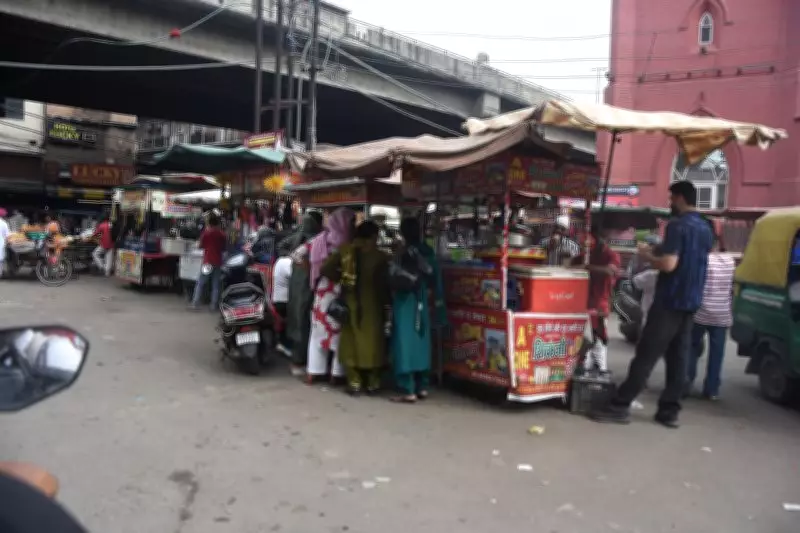
The debate over street vending in Ludhiana has intensified as residents and officials grapple with balancing livelihood protection and urban order. Street vendors form a crucial part of the city's informal economy, providing affordable goods and employment, but unregulated vending often leads to traffic snarls, blocked footpaths, and hygiene concerns.
The Role of Street Vendors in Ludhiana's Economy
Street vendors are a primary source of income for many families in Ludhiana. Manmeen Kaur, a resident, asserts that everyone has a right to earn a livelihood, and street vending supports countless households. However, allowing vendors to operate freely without regulation can cause significant inconvenience to the public.
Novin Christopher highlights the need for a balanced approach, noting that properly planned vending zones equipped with drinking water, waste disposal, and lighting can benefit both vendors and customers. He emphasizes that the Municipal Corporation should implement the Street Vendors (Protection of Livelihood and Regulation of Street Vending) Act in a fair and transparent manner, consulting vendor associations before demarcating areas.

Implementation Failures and Practical Challenges
Mohammad Saleem Farooqui points out a critical flaw: the current system exists only on paper. A Comptroller and Auditor General (CAG) report revealed that 64 zones were notified for 8,989 vendors in the city, but none have been used so far. Moreover, identified zones can accommodate only about 11 per cent of surveyed vendors. Forcing vendors to move to non-existent or inadequate zones would devastate their livelihoods. He calls for a phased approach: first fix the designated zones, conduct a new participatory survey to identify more suitable areas, and then strictly implement the Act.
RS Sembhi advocates for flexible laws, arguing that while strict zoning prevents congestion and balances markets for formal retailers, flexible rules allow the poorest to earn easily and provide cheap goods to middle- and low-income people. He warns that stringent laws can relocate vendors to isolated zones where businesses incur losses. Instead, he proposes a 'regulated freedom' model as a middle path.
Voices from the Community
Sahajpreet Singh emphasizes the importance of allocating proper vending zones or market spaces with clean water, waste disposal, and adequate space. Such areas would improve public hygiene, reduce accidents, and keep roads clear. Amarjit Singh Oberoi notes the significant increase in vending carts, causing heavy traffic congestion and hygiene issues due to neglected trash. He urges municipal authorities to allocate dedicated vending zones to prevent blocking of roads and ensure smooth traffic flow.
Vanshdeep Kaur adds that designated zones can curb graft, as vendors face constant pressure of eviction and bribery. Proper regulation through vending zones protects vendors from arbitrary police harassment and ensures the public's right to clear roads. Centralized zones also facilitate solid waste management and maintain basic standards for food vendors.
Conclusion: A Balanced Path Forward
The consensus among Ludhiana residents is clear: street vendors are indispensable to the city's informal economy, but unregulated vending creates problems that need addressing. A balanced approach that combines designated vending zones with livelihood protection, transparent implementation of the law, and basic amenities can create orderly public spaces, improve mobility and hygiene, and allow vendors to earn with dignity. As the city grows, finding this equilibrium is essential for sustainable urban development.