The Amazon rainforest is one of the most biodiverse places on Earth, with the Amazon River basin spanning nine countries and housing nearly 10% of all known species. From pink freshwater dolphins to electric eels, the region is home to some of the rarest and most fascinating animals. However, deforestation, mining, and climate change threaten these species. Here are 10 of the rarest animals found in the Amazon River basin and why their survival matters.
1. Pink River Dolphin
The pink river dolphin, also known as the boto, is born grey and turns pink as it ages. According to National Geographic, this color change may be linked to scar tissue and blood vessel visibility. These freshwater mammals live in rivers and flooded forests and are central to local folklore, which says they can transform into humans at night. However, they face threats from pollution, dam construction, and harmful fishing practices.
2. Amazonian Manatee
The Amazonian manatee is one of the rarest manatee species, often called the "sea cow" of the Amazon. It is a gentle giant that lives exclusively in freshwater, moving slowly and feeding on aquatic plants. Illegal hunting and habitat loss have drastically reduced its numbers.

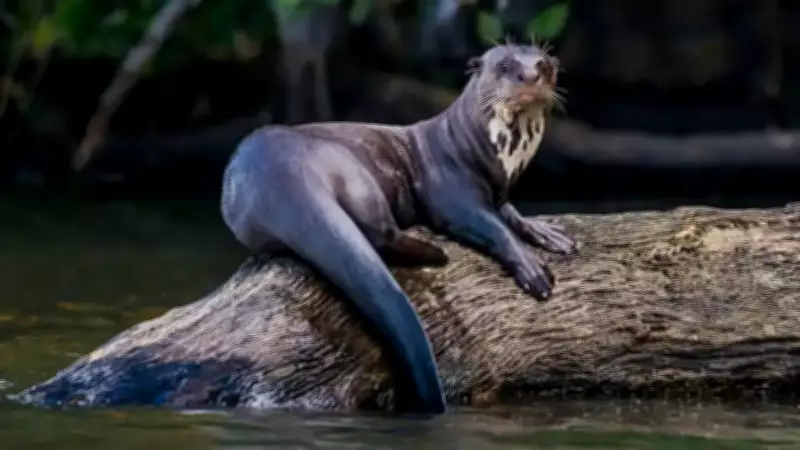
3. Giant Otter
The giant otter can grow up to six feet long and is known as the "river wolf" for its social, vocal, and predatory nature. It hunts fish, crabs, and small reptiles. During the fur trade, its dense fur made it a prime target, pushing populations to the brink of collapse in some areas.
4. Pygmy Marmoset
The pygmy marmoset is the world's smallest monkey, small enough to sit on a human finger and weighing little more than an apple. It survives on tree sap, insects, and fruits, moving swiftly through branches to evade predators.
5. Harpy Eagle
The harpy eagle is one of the most powerful birds of prey, with talons larger than a grizzly bear's claws. It hunts monkeys, sloths, and other tree-dwelling animals. Deforestation is shrinking its nesting habitats, threatening its survival.
6. Hoatzin
The hoatzin, also known as the "stink bird," digests leaves by fermenting them in its gut, similar to cattle digestion. This process gives it a strong odor. Young hoatzins have clawed wings, a rare evolutionary trait that helps them climb before they can fly.
7. Hyacinth Macaw
The hyacinth macaw is the world's largest flying parrot, with brilliant cobalt-blue feathers and yellow facial markings. Wildlife trade and habitat loss have threatened it, but conservation efforts have helped stabilize and recover populations in some regions.
8. Electric Eel
Electric eels are not true eels but are more closely related to catfish. They can deliver shocks of up to 800 volts to stun prey or deter predators. They lurk in murky waters and are one of the Amazon's most iconic creatures.
9. Candiru Fish
The candiru fish, also known as the "vampire fish," is a tiny parasitic fish that enters the gill chambers of larger fish to feed on blood. While tales of attacks on humans are mostly myth, its unique life cycle fascinates scientists.
10. Green Anaconda
The green anaconda is one of the largest snakes in the world, with females reaching over 20 feet long and weighing more than 200 kilograms. It spends most of its life in swamps and slow rivers, where its olive-green body provides camouflage. Despite popular myths, attacks on humans are extremely rare.
These animals are vital to the Amazon ecosystem, and their survival is linked to the health of the entire planet. Conservation efforts are crucial to protect them and their habitats.