

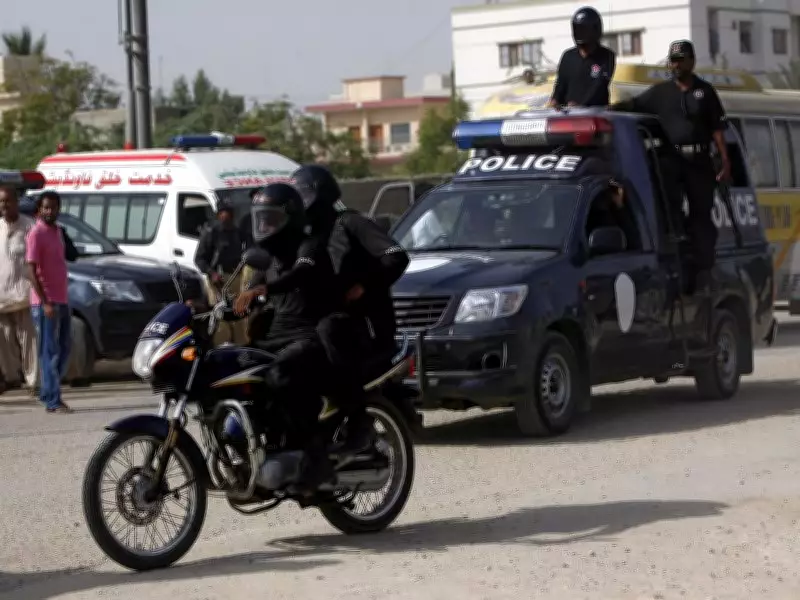
In a move that has raised serious concerns about freedom of expression in Pakistan, police in the country's Punjab province have arrested 11 social media activists for allegedly sharing anti-state content. The arrests took place across multiple cities, including Lahore, Faisalabad, and Multan, according to officials.
Details of the Arrests
The activists were taken into custody late Tuesday night and early Wednesday morning. Police officials claim that the individuals were involved in spreading propaganda against state institutions, particularly the military and intelligence agencies. The suspects are accused of using platforms like Facebook, Twitter, and TikTok to disseminate content deemed harmful to national security.
Official Statements
A spokesperson for the Punjab police stated that the arrests were part of a crackdown on activities that threaten public order and state stability. "These individuals were systematically spreading false information and inciting hatred against state institutions. We have ample evidence against them," the spokesperson said. However, no specific details about the content were provided.

Reactions and Concerns
Human rights organizations and digital rights activists have condemned the arrests, labeling them as an attack on free speech. The Pakistan Digital Rights Foundation called for the immediate release of the activists, stating that the crackdown violates constitutional guarantees. "Arresting people for expressing opinions online is a dangerous trend. The government must ensure that laws are not misused to silence dissent," the foundation said in a statement.
Legal experts have also expressed concerns, noting that vague definitions of "anti-state" content could be used to target journalists, bloggers, and ordinary citizens. The arrests come amid a broader tightening of internet regulations in Pakistan, including the controversial Prevention of Electronic Crimes Act (PECA), which critics say curbs online freedoms.
Broader Context
Pakistan has seen a surge in arrests related to social media activity in recent months. In 2023 alone, over 100 individuals were detained for online posts, according to local media reports. The government defends these actions as necessary for maintaining national security, but opposition parties and civil society groups argue that they are politically motivated.
The United Nations and international watchdogs have repeatedly urged Pakistan to uphold freedom of expression. The latest arrests are likely to draw further criticism from the international community, especially as Pakistan faces economic and political challenges.
As of now, the detained activists have not been formally charged, and their families have been denied access to them. Legal proceedings are expected to begin in the coming days, with the possibility of bail hearings. The case has reignited the debate over the balance between national security and individual rights in Pakistan's digital landscape.






