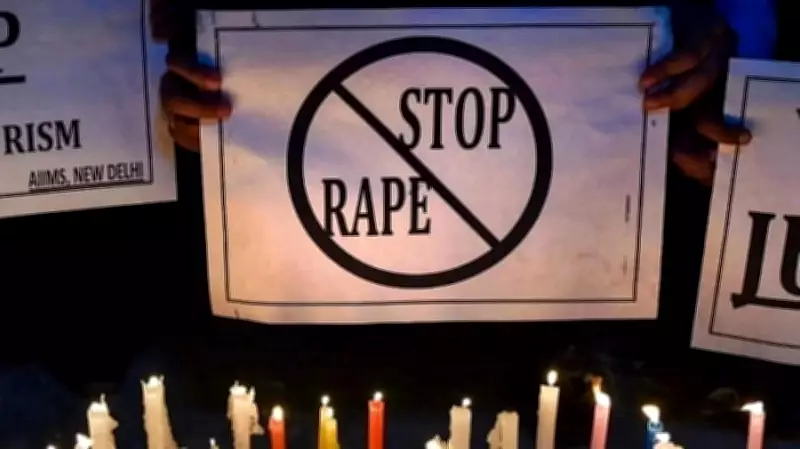
A couple in Bangladesh has been sentenced to death for the rape and murder of a young girl in what is being called the country's fastest trial. The Dhaka Metropolitan Child Repression Prevention Tribunal delivered the verdict just 19 days after the incident occurred, which had sparked nationwide outrage and renewed concerns about violence against women and children.
Fastest Trial in Bangladesh History
The swift legal proceedings marked a significant departure from the typically slow pace of justice in Bangladesh. The tribunal, which specializes in cases involving crimes against children, expedited the trial to ensure a quick resolution. The sentence was handed down on June 7, 2026, less than three weeks after the crime took place.
Details of the Crime
The incident, which triggered widespread protests and demands for justice, involved the brutal rape and murder of a young girl. While specific details of the victim and the exact location have not been disclosed to protect her identity, the case drew national attention and highlighted the persistent issue of gender-based violence in the country.

Nationwide Outrage and Renewed Concerns
The crime sparked outrage across Bangladesh, with citizens and activists calling for stricter laws and faster justice for victims of sexual violence. The rapid trial and sentencing were seen as a response to public pressure, but also raised questions about due process and the fairness of such expedited proceedings. Nonetheless, the verdict was welcomed by many as a step toward addressing the epidemic of violence against women and children.
Legal and Social Implications
The death sentence for the couple underscores the severity with which the Bangladeshi judiciary views crimes against minors. However, human rights organizations have expressed concerns about the use of capital punishment and the potential for miscarriages of justice in fast-track trials. The case has also reignited debates about the effectiveness of the legal system in protecting vulnerable populations and ensuring timely justice.
As Bangladesh continues to grapple with high rates of violence against women and children, this landmark trial may set a precedent for future cases. The government has pledged to strengthen laws and improve enforcement to prevent such tragedies, but activists argue that broader societal changes are needed to address the root causes of gender-based violence.