

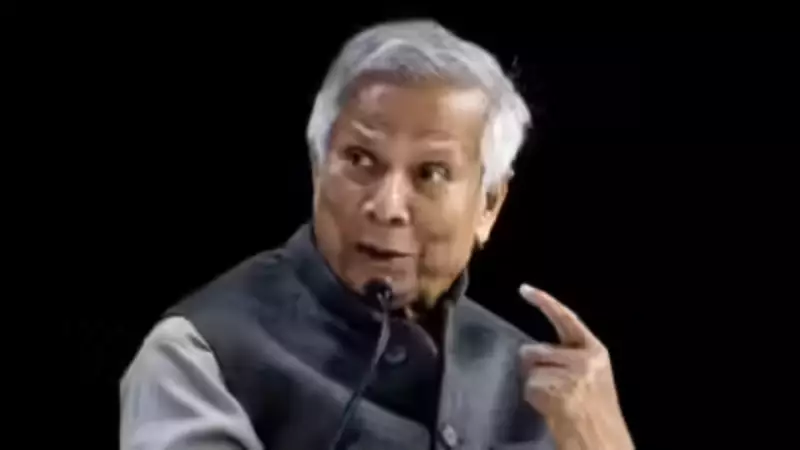
In the tense run-up to Bangladesh's national elections scheduled for February 12, the interim government has sparked controversy by dismissing widespread media reports of atrocities against minority communities, particularly Hindus. The administration, led by Nobel laureate Muhammad Yunus, has categorically labeled these reports as attempts to spread false information and disrupt the nation's social fabric.
Government's Firm Stance on 'False Propaganda'
On Sunday, the Yunus-led government made a concerted effort to downplay the alarming narratives circulating in the media. These reports detailed a series of violent incidents, including killings, targeting minority groups in the pre-election period. The government's official position is that such accounts are fabricated and serve a malicious purpose.
Foyez Ahammad, the senior assistant press secretary to chief adviser Muhammad Yunus, addressed reporters directly. He warned that statements rooted in false or concocted information have the dangerous potential to create societal confusion and pose a significant risk to the hard-earned communal harmony in Bangladesh. This public statement came merely two days after India voiced its concern on the matter.

India's Concern and Specific Incident Denials
The Indian government had previously expressed its apprehension, stating that any attempt to whitewash the communal motives behind these crimes and attribute them solely to "personal rivalries and political differences" effectively emboldens those responsible for the violence. This diplomatic nudge appears to have been met with a firm rebuttal from Dhaka.
The Yunus administration has a pattern of brushing aside reports concerning minority incidents, consistently framing them as propaganda. To substantiate its claim, Foyez Ahammad cited specific cases. He addressed the brutal murder of Hindu businessman Moni Chakraborty in Narsingdi, which occurred last Monday. While the killing was widely reported as a communal attack, the government official asserted that preliminary investigations by police and the victim's family pointed towards a family feud and business rivalry, with no evidence of a communal link.
This incident followed closely on the heels of another tragic killing, where Hindu journalist Rana Pratap was shot dead in Jessore. Regarding the public discourse around these events, Foyez lamented that false propaganda had been amplified across various platforms, including social media, where the narratives were squarely presented as communal assaults.
Mounting Tensions Ahead of Polls
The government's forceful denial comes at a critically sensitive time. With the February 12 national elections looming, the political atmosphere in Bangladesh is highly charged. Reports of violence against minorities have intensified fears of instability and targeted persecution. By publicly challenging the media's portrayal, the interim government aims to control the narrative and project an image of domestic peace and unity.
However, this stance has drawn criticism from observers and minority rights groups who argue that dismissing such reports without transparent and independent investigation could further alienate vulnerable communities and ignore genuine threats to their security. The situation underscores the delicate balance between maintaining social order and addressing legitimate grievances in a polarized pre-election environment.






