

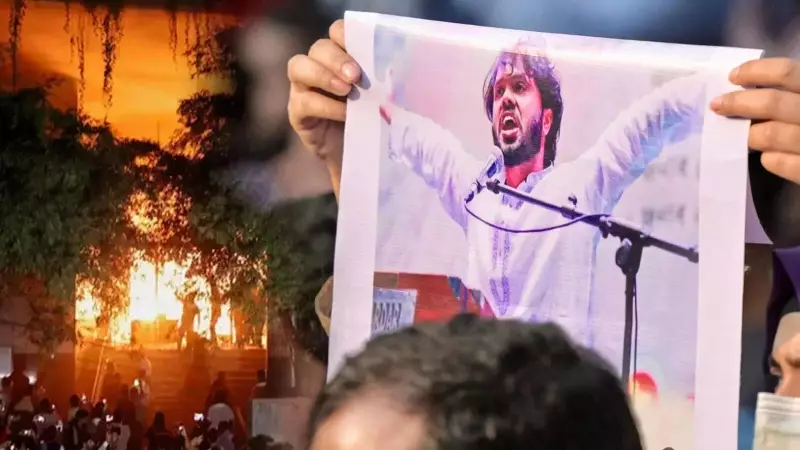
The death of political firebrand Sharif Osman Hadi has thrown Bangladesh into a state of severe unrest, marking the country's most volatile period since the political departure of former Prime Minister Sheikh Hasina. Hadi was far more than a typical opposition leader; he embodied a new and confrontational political ideology that directly held India responsible for Bangladesh's historical and contemporary challenges.
The Rise of a Radical Voice
Sharif Osman Hadi's political platform was built on a foundation of strident nationalism and explicit anti-India rhetoric. He actively championed the controversial concept of a "Greater Bangladesh" and successfully mobilized significant street-level support against the nation's established political parties. His approach represented a dangerous and significant shift in Bangladeshi politics, moving from traditional party-based opposition to a more populist, ideologically charged movement that resonated with a section of the populace disillusioned with the status quo.
A Nation Ignited: The Aftermath of Hadi's Killing
The immediate consequence of Hadi's killing was a rapid and violent escalation on the streets of the capital. Dhaka witnessed widespread riots, arson attacks, and a sharp surge in public expressions of anti-India sentiment. Angry mobs targeted symbols of Indian presence, marching towards Indian diplomatic missions as tensions soared. The chaotic environment became a breeding ground for unverified claims and inflammatory narratives, further fueling the unrest.

Diplomatic Repercussions and Regional Tensions
The escalating crisis forced New Delhi to engage in urgent diplomatic efforts to manage the situation. India found itself, once again, pulled into the internal political turmoil of its neighbor. The events underscore the fragile nature of regional politics and how domestic incidents in Bangladesh can quickly develop implications for bilateral relations. The void left by Hadi's death poses critical questions about the future direction of this aggressive political narrative and its potential to destabilize the region.
The situation remains fluid, with the date of the events centered around December 19, 2025. The death of Sharif Osman Hadi has not only created a security crisis but has also exposed deep-seated political and social fractures within Bangladesh, with India positioned as a central figure in the resulting discourse.






