Bangladesh finds itself in a tense political climate as the acting chairman of the main opposition party, the Bangladesh Nationalist Party (BNP), prepares to return home after years of exile. This development follows a period of significant civil unrest triggered by the recent general elections.
A Nation on Edge After Violent Protests
The political atmosphere in Dhaka and other parts of Bangladesh remains charged following violent incidents that erupted after the January 7 national polls. The BNP, which boycotted the elections, has been at the forefront of protests alleging the voting process was neither free nor fair.
These demonstrations escalated into serious clashes. At least four individuals lost their lives during the riots, and the unrest caused substantial damage to public and private property. The violence underscored the deep political divisions within the country and set the stage for a crucial political homecoming.

Tarique Rahman's Pivotal Return from London
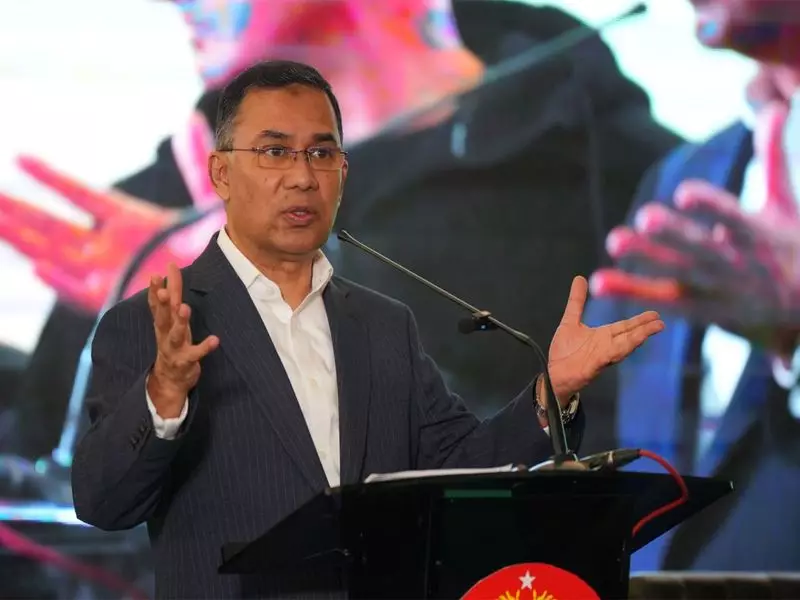
In a move that could significantly alter the political landscape, Tarique Rahman, the senior vice-chairman and acting chairman of the BNP, is scheduled to return to Bangladesh on December 25. Rahman, who is the son of former Prime Minister Khaleda Zia, has been living in London for an extended period.
His return was confirmed by party insiders and comes after a Bangladeshi court granted him bail in several long-pending cases. This legal relief has paved the way for his homecoming. Rahman's presence in the country is anticipated to galvanize the BNP's grassroots support and reshape the opposition's strategy against the ruling Awami League government.
The planned return on Christmas Day is seen as a symbolic and strategic decision by the BNP leadership. It marks a direct engagement by the party's top leader with the domestic political scene after a prolonged absence.
Political Repercussions and Future Challenges
The imminent arrival of Tarique Rahman adds a new layer of complexity to Bangladesh's already volatile political environment. Analysts suggest his physical presence could either intensify the opposition's agitation or open avenues for renewed political dialogue.
The government, led by Prime Minister Sheikh Hasina, will be closely monitoring the situation. The administration faces the dual challenge of maintaining law and order while navigating the heightened political activity that Rahman's return will inevitably generate.
For the BNP and its supporters, Rahman's homecoming represents a moment of consolidation and potential resurgence. As the son of the party's iconic leader, Khaleda Zia, who is currently in poor health, his leadership on the ground is expected to boost morale. However, it also raises questions about the future direction of the party and its tactics following the electoral boycott and subsequent violence.
The coming weeks will be critical for Bangladesh. The nation watches to see whether this key political development will lead to a de-escalation of tensions or become a catalyst for further confrontation in the streets of Dhaka and beyond.