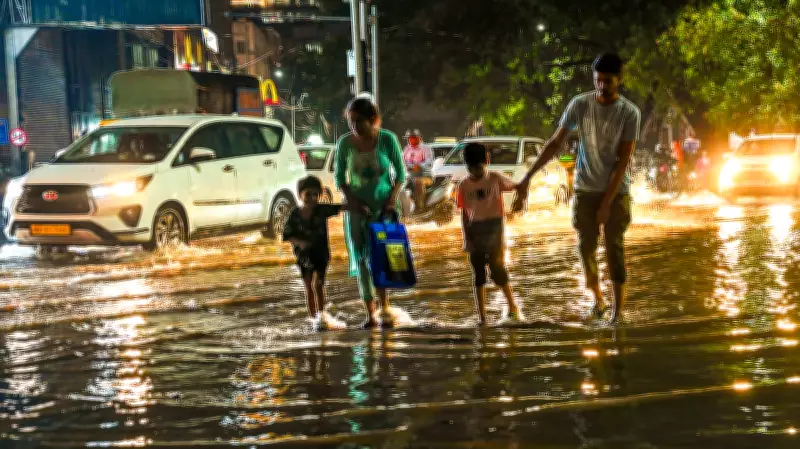
Bengaluru came to a grinding halt on Wednesday as relentless heavy rainfall led to the overflowing of the Vrishabhavathi River and severe flooding in multiple areas, including the bustling Silk Board junction. The downpour, which began in the early hours, inundated low-lying neighborhoods and disrupted traffic across the city.
Major Roads Affected
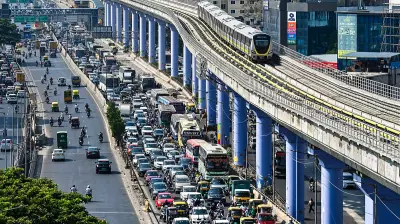
Traffic crawled on Ambedkar Veedhi near Vidhana Soudha, Indiranagar, Vasanthnagar, Ballari Road, KR Market, Corporation Circle, Sampangi Ramnagar, and surrounding streets, where knee-deep water was reported. Commuters faced hours of delays as vehicles moved at a snail's pace or were stranded entirely. The Silk Board junction, a key transit point, was submerged under several feet of water, forcing authorities to divert traffic.
Impact on Daily Life
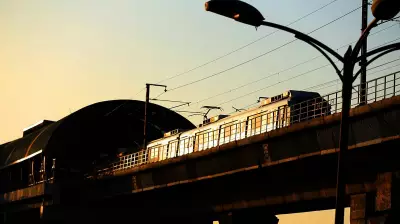
The flooding caused widespread disruption to daily life, with offices, schools, and businesses reporting low attendance. Many residents were unable to leave their homes due to waterlogged streets. The Bengaluru Traffic Police issued advisories urging people to stay indoors and avoid non-essential travel. Public transport services, including buses and the metro, faced significant delays and route diversions.

Local authorities deployed pumps to drain water from affected areas, but the continuous rainfall hampered their efforts. The Karnataka State Disaster Management Authority has been placed on high alert, with rescue teams on standby. Meteorologists have predicted more showers in the coming days, raising concerns about further flooding.
Government Response
Karnataka Chief Minister Siddaramaiah reviewed the situation and directed officials to ensure swift relief measures. The Bruhat Bengaluru Mahanagara Palike (BBMP) has opened control rooms to assist citizens. Residents have been advised to call emergency helplines for assistance. The incident highlights the city's vulnerability to urban flooding, with experts calling for improved drainage infrastructure and better urban planning to mitigate such crises.